
- Популярные видео
- Авто
- Видео-блоги
- ДТП, аварии
- Для маленьких
- Еда, напитки
- Животные
- Закон и право
- Знаменитости
- Игры
- Искусство
- Комедии
- Красота, мода
- Кулинария, рецепты
- Люди
- Мото
- Музыка
- Мультфильмы
- Наука, технологии
- Новости
- Образование
- Политика
- Праздники
- Приколы
- Природа
- Происшествия
- Путешествия
- Развлечения
- Ржач
- Семья
- Сериалы
- Спорт
- Стиль жизни
- ТВ передачи
- Танцы
- Технологии
- Товары
- Ужасы
- Фильмы
- Шоу-бизнес
- Юмор
The Biggest Bass Yet…But It’s Still the Wrong Species
Finally, a bigger fish.
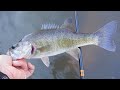
Early in this episode from the Chattahoochee River, I land the largest bass of the trip so far — a fish just over 12 inches long. Unlike many of the earlier hybrids, this one appears to lean much more strongly toward true Spotted Bass ancestry, and I break down the characteristics that point me toward that conclusion.
Spotted bass are great fish to catch…within their native range.
The problem is that this stretch of river historically belonged to native shoal bass, not spotted bass and their hybrids.
As the day continues, I discover a major concentration point: a single tree hanging into current near a rocky current break. In rivers, spots where shade, woody cover, current, and depth all intersect can stack fish together in surprisingly high numbers. Once you find one of these feeding stations, sometimes the best strategy is simple — keep casting until the party ends.
And the fish just keep coming.
But while catching bass is always fun, this situation raises an important conservation question. Spotted bass generally remain much smaller than many of the native black bass they replace. A 15-inch spotted bass is a true giant for the species, yet anglers have intentionally spread these fish far outside their native range across the Southeast.
In many cases, that means replacing native bass capable of reaching 3–4 pounds or more with fish that often top out around a pound.
From both a conservation and fisheries perspective…that’s not exactly a great trade.
Subscribe to get more fishing, science, and conservation black bass content!
Follow along to see the rest of the series:
Part 1 - https://youtube.com/shorts/7ZlH7PAbfwU
Part 2 - https://youtube.com/shorts/_OK3MkBE28I
Part 3 - https://youtube.com/shorts/QmaKGZAqCXU
Part 4 - https://youtube.com/shorts/N49DQOjuCfY
Part 5 - https://youtube.com/shorts/eXQ5SEJJznU
#shoalbass
#chattahoocheeriver
#bassfishing
#nativebass
#blackbass
#riverfishing
#fishinghistory
#conservation
#blackbassfishing
Видео The Biggest Bass Yet…But It’s Still the Wrong Species канала Black Bass Talk
Early in this episode from the Chattahoochee River, I land the largest bass of the trip so far — a fish just over 12 inches long. Unlike many of the earlier hybrids, this one appears to lean much more strongly toward true Spotted Bass ancestry, and I break down the characteristics that point me toward that conclusion.
Spotted bass are great fish to catch…within their native range.
The problem is that this stretch of river historically belonged to native shoal bass, not spotted bass and their hybrids.
As the day continues, I discover a major concentration point: a single tree hanging into current near a rocky current break. In rivers, spots where shade, woody cover, current, and depth all intersect can stack fish together in surprisingly high numbers. Once you find one of these feeding stations, sometimes the best strategy is simple — keep casting until the party ends.
And the fish just keep coming.
But while catching bass is always fun, this situation raises an important conservation question. Spotted bass generally remain much smaller than many of the native black bass they replace. A 15-inch spotted bass is a true giant for the species, yet anglers have intentionally spread these fish far outside their native range across the Southeast.
In many cases, that means replacing native bass capable of reaching 3–4 pounds or more with fish that often top out around a pound.
From both a conservation and fisheries perspective…that’s not exactly a great trade.
Subscribe to get more fishing, science, and conservation black bass content!
Follow along to see the rest of the series:
Part 1 - https://youtube.com/shorts/7ZlH7PAbfwU
Part 2 - https://youtube.com/shorts/_OK3MkBE28I
Part 3 - https://youtube.com/shorts/QmaKGZAqCXU
Part 4 - https://youtube.com/shorts/N49DQOjuCfY
Part 5 - https://youtube.com/shorts/eXQ5SEJJznU
#shoalbass
#chattahoocheeriver
#bassfishing
#nativebass
#blackbass
#riverfishing
#fishinghistory
#conservation
#blackbassfishing
Видео The Biggest Bass Yet…But It’s Still the Wrong Species канала Black Bass Talk
shoal bass spotted bass spotted bass fishing chattahoochee river bass fishing river fishing native bass black bass hybrid bass alabama bass invasive bass spotted bass invasion fisheries biology bass conservation freshwater fishing southeastern fishing river bass fishing fish habitat bass behavior current breaks river structure micropterus punctulatus shoal bass decline conservation fishing kayak fishing georgia fishing alabama fishing
Комментарии отсутствуют
Информация о видео
14 мая 2026 г. 0:00:23
00:02:53
Другие видео канала
 What's That Bass Wednesday?! 02 19 2025 Part 1 #shorts #bassfishing #blackbass #bassfishing
 🎣 Unique Markings of the Tallapoosa Bass | Redeye Bass Fishing in Alabama #bassfishing
 20” Shoal Bass in Raging Current! (You Won’t Believe Where It Was Holding) – EP.7
 This Fish Looks Like a LIZARD?! (Meet the Lizardfish)
 Introduced Alabama Bass Are Destroying Our Fisheries Pt 1 #shorts #blackbassfishing #bassfishing
 Chain Pickerel: A Thrilling Gamefish with Sharp Teeth | Fun Fishing Tips & Tricks! #shorts #fish
 30 Bass…And Not One Native Species | Chattahoochee Update
 Fall Shoal Bass Strategy | Rods, Line & 3 Go-To Lures
 Wading for Bass or Training for the Olympics? 🤣 #shorts #fishing
 Alabama’s Secret Bass — The Warrior Bass of Bankhead National Forest (Part 1)
 What's That Bass Wednesday 02 05 2025 ANSWER #shorts #blackbass #freshwaterfish #bassfishing
 Periphyton, Silt, and the Collapse of a Shoal Bass Stream (Part 4)
 Hidden in the Swamp: The Dwarf Cypress Forest of Tate’s Hell State Forest
 Fishing for Shoal Bass in the Middle of a Waterfall! 🌊 | “Bass of the Waterfalls” Adventure
 Where Shoal Bass REALLY Hold in Small Streams (Most Anglers Miss This) – EP.3
 How Biologists Age Fish (Step-by-Step) | Otoliths, Equipment & Process Explained – Part 1
 Poison Ivy Tips for Anglers: Spot It, Avoid It, Fish Itch-Free! #fishing #bassfishing #shorts
 Answer to What's That Bass Wednesday 02 19 2025 #shorts #bassfishing #fishing #blackbass
 Aging Dams on the Chattahoochee | History, Hydropower, and the Future of River Management
 Kevlar Skid Plate Kits Explained | Tools & Materials You Need (Part 2)
 Shoal Bass Spawning Adventure | Bushwhacking & Fishing a Hidden Georgia Shoal (Part 1) #blackbass
