
- Популярные видео
- Авто
- Видео-блоги
- ДТП, аварии
- Для маленьких
- Еда, напитки
- Животные
- Закон и право
- Знаменитости
- Игры
- Искусство
- Комедии
- Красота, мода
- Кулинария, рецепты
- Люди
- Мото
- Музыка
- Мультфильмы
- Наука, технологии
- Новости
- Образование
- Политика
- Праздники
- Приколы
- Природа
- Происшествия
- Путешествия
- Развлечения
- Ржач
- Семья
- Сериалы
- Спорт
- Стиль жизни
- ТВ передачи
- Танцы
- Технологии
- Товары
- Ужасы
- Фильмы
- Шоу-бизнес
- Юмор
Placement and Direction of the Central Ray In radiography; critical technical step
radiography, the placement and direction of the central ray (CR) are critical for producing diagnostic-quality images. The central ray is the imaginary line representing the center of the X-ray beam as it exits the tube. Proper alignment ensures accurate visualization, minimizes distortion, and reduces repeat exposures.
🎯 Placement of the Central Ray
Definition: The central ray is directed toward the area of interest on the patient’s body.
Principle: It should pass through the center of the anatomical structure being imaged.
Factors influencing placement:
Region of interest (e.g., chest, skull, extremity).
Projection (AP, PA, lateral, oblique).
Patient positioning (supine, erect, prone).
Detector alignment (film or digital receptor).
➡️ Direction of the Central Ray
Perpendicular projection:
CR directed at 90° to the image receptor.
Minimizes distortion and magnification.
Common in chest, abdomen, and extremity imaging.
Angled projection:
CR angled relative to the receptor to demonstrate specific anatomy.
Examples:
AP axial skull (Towne’s view): CR angled caudally to visualize occipital bone.
Lumbar spine oblique views: CR angled to open intervertebral foramina.
Knee radiographs: CR angled depending on patient size to visualize joint space.
⚠️ Key Considerations
Alignment: CR, anatomical part, and image receptor should ideally be in the same plane.
Distortion control: Incorrect CR direction can cause elongation, foreshortening, or overlapping of structures.
Radiation safety: Proper CR placement reduces the need for repeat exposures.
Markers: Always place anatomical markers (R/L) to avoid confusion about laterality.
🧩 Summary
The central ray is the “aiming point” of the X-ray beam.
Correct placement ensures the area of interest is centered.
Correct direction (perpendicular or angled) ensures accurate representation of anatomy.
Radiographers must combine technical precision with patient positioning to achieve optimal results.
#Xrays
Видео Placement and Direction of the Central Ray In radiography; critical technical step канала Jos Plateau Radiology
🎯 Placement of the Central Ray
Definition: The central ray is directed toward the area of interest on the patient’s body.
Principle: It should pass through the center of the anatomical structure being imaged.
Factors influencing placement:
Region of interest (e.g., chest, skull, extremity).
Projection (AP, PA, lateral, oblique).
Patient positioning (supine, erect, prone).
Detector alignment (film or digital receptor).
➡️ Direction of the Central Ray
Perpendicular projection:
CR directed at 90° to the image receptor.
Minimizes distortion and magnification.
Common in chest, abdomen, and extremity imaging.
Angled projection:
CR angled relative to the receptor to demonstrate specific anatomy.
Examples:
AP axial skull (Towne’s view): CR angled caudally to visualize occipital bone.
Lumbar spine oblique views: CR angled to open intervertebral foramina.
Knee radiographs: CR angled depending on patient size to visualize joint space.
⚠️ Key Considerations
Alignment: CR, anatomical part, and image receptor should ideally be in the same plane.
Distortion control: Incorrect CR direction can cause elongation, foreshortening, or overlapping of structures.
Radiation safety: Proper CR placement reduces the need for repeat exposures.
Markers: Always place anatomical markers (R/L) to avoid confusion about laterality.
🧩 Summary
The central ray is the “aiming point” of the X-ray beam.
Correct placement ensures the area of interest is centered.
Correct direction (perpendicular or angled) ensures accurate representation of anatomy.
Radiographers must combine technical precision with patient positioning to achieve optimal results.
#Xrays
Видео Placement and Direction of the Central Ray In radiography; critical technical step канала Jos Plateau Radiology
Комментарии отсутствуют
Информация о видео
16 февраля 2026 г. 18:58:28
00:03:16
Другие видео канала
 How Radiographers interact with patients; blend technical expertise with compassionate care
 Patient Clothing, Jewelry, and Surgical Dressings Consideration in Radiography
 Wedge Filter for Radiography Imaging; when imaging anatomical regions with varying tissue thickness
 Ethics in Radiology Technology; centers on patient safety, dignity, and professional integrity
 Accessory Equipments in Radiography; supportive tools and devices used
 Cystography; specialized radiographic examination of the urinary bladder
 How the Radiographer should Handle ill or Injured Patients
 Why patients need to be Given An explanation of the procedure to be performed - Informed Consent
 Mobile X ray used in a Theatre Operating Room; provide real time diagnostic images during surgical
 AP shoulder Imaging in Radiology; anteroposterior projection of the shoulder radiograph
 Importance of scrupulous Cleanliness in the Radiography Laboratory
 Why helpless patient must be Brought to the radiographic Lab on a stretcher or bed
 intravenous urography; intravenous pyelography IVP, radiological procedure to visualize the urinary
 Radiography Practice Standards; guidelines that define professional responsibilities, scope
 necklace was left on a Patient for chest radiograph
 spinal puncture; Lumbar puncture LP, medical procedure a needle is inserted into lower back
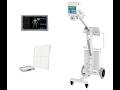 Tethered portable DR IR And Wireless portable DR IR; digital radiography DR, portable image receptor
 Why Patients should be dressed in a gown For Radiography Imaging
 Why patient’s colon may be cleansed Before Radiography Imaging
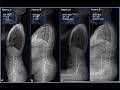 Working Effectively With Obese Patients in Radiography Fat Patients
