
- Популярные видео
- Авто
- Видео-блоги
- ДТП, аварии
- Для маленьких
- Еда, напитки
- Животные
- Закон и право
- Знаменитости
- Игры
- Искусство
- Комедии
- Красота, мода
- Кулинария, рецепты
- Люди
- Мото
- Музыка
- Мультфильмы
- Наука, технологии
- Новости
- Образование
- Политика
- Праздники
- Приколы
- Природа
- Происшествия
- Путешествия
- Развлечения
- Ржач
- Семья
- Сериалы
- Спорт
- Стиль жизни
- ТВ передачи
- Танцы
- Технологии
- Товары
- Ужасы
- Фильмы
- Шоу-бизнес
- Юмор
Working Effectively With Obese Patients in Radiography Fat Patients
Working effectively with obese patients in radiography requires careful planning, empathy, and technical adjustments. Larger body habitus can present challenges in positioning, image quality, and equipment limitations, but with the right strategies, radiographers can still achieve diagnostic results while ensuring patient comfort and dignity.
🩺 Challenges in Imaging Obese Patients
Positioning Difficulties
Limited mobility and body size may make standard positions hard to achieve.
Image Quality Issues
Increased tissue thickness leads to scatter radiation, reduced contrast, and lower resolution.
Equipment Limitations
Table weight limits, gantry size (CT/MRI), and detector coverage may restrict certain exams.
Radiation Dose Concerns
Higher exposure factors are often required, which increases patient dose.
Patient Comfort & Anxiety
Longer procedures and positioning difficulties can cause discomfort or embarrassment.
✅ Best Practices for Radiographers
Communication & Respect
Use sensitive, respectful language. Explain procedures clearly to reduce anxiety.
Positioning Aids
Employ sponges, straps, and supports to stabilize patients and achieve correct alignment.
Technical Adjustments
Increase kVp and mAs appropriately to penetrate thicker tissues.
Use grids to reduce scatter and improve contrast.
Consider alternative projections if standard views are not possible.
Equipment Considerations
Check table weight limits and gantry size before scheduling. Use bariatric-capable equipment when available.
Radiation Safety
Apply ALARA (As Low As Reasonably Achievable) principles—balance exposure with diagnostic needs.
Patient Comfort
Provide extra time, padding, and reassurance. Allow rest breaks if needed
#Obese
Видео Working Effectively With Obese Patients in Radiography Fat Patients канала Jos Plateau Radiology
🩺 Challenges in Imaging Obese Patients
Positioning Difficulties
Limited mobility and body size may make standard positions hard to achieve.
Image Quality Issues
Increased tissue thickness leads to scatter radiation, reduced contrast, and lower resolution.
Equipment Limitations
Table weight limits, gantry size (CT/MRI), and detector coverage may restrict certain exams.
Radiation Dose Concerns
Higher exposure factors are often required, which increases patient dose.
Patient Comfort & Anxiety
Longer procedures and positioning difficulties can cause discomfort or embarrassment.
✅ Best Practices for Radiographers
Communication & Respect
Use sensitive, respectful language. Explain procedures clearly to reduce anxiety.
Positioning Aids
Employ sponges, straps, and supports to stabilize patients and achieve correct alignment.
Technical Adjustments
Increase kVp and mAs appropriately to penetrate thicker tissues.
Use grids to reduce scatter and improve contrast.
Consider alternative projections if standard views are not possible.
Equipment Considerations
Check table weight limits and gantry size before scheduling. Use bariatric-capable equipment when available.
Radiation Safety
Apply ALARA (As Low As Reasonably Achievable) principles—balance exposure with diagnostic needs.
Patient Comfort
Provide extra time, padding, and reassurance. Allow rest breaks if needed
#Obese
Видео Working Effectively With Obese Patients in Radiography Fat Patients канала Jos Plateau Radiology
Комментарии отсутствуют
Информация о видео
24 февраля 2026 г. 14:53:20
00:03:27
Другие видео канала
 How Radiographers interact with patients; blend technical expertise with compassionate care
 Ethics in Radiology Technology; centers on patient safety, dignity, and professional integrity
 Why patients need to be Given An explanation of the procedure to be performed - Informed Consent
 Mobile X ray used in a Theatre Operating Room; provide real time diagnostic images during surgical
 AP shoulder Imaging in Radiology; anteroposterior projection of the shoulder radiograph
 Importance of scrupulous Cleanliness in the Radiography Laboratory
 Why helpless patient must be Brought to the radiographic Lab on a stretcher or bed
 intravenous urography; intravenous pyelography IVP, radiological procedure to visualize the urinary
 Radiography Practice Standards; guidelines that define professional responsibilities, scope
 necklace was left on a Patient for chest radiograph
 spinal puncture; Lumbar puncture LP, medical procedure a needle is inserted into lower back
 Placement and Direction of the Central Ray In radiography; critical technical step
 Tethered portable DR IR And Wireless portable DR IR; digital radiography DR, portable image receptor
 Why Patients should be dressed in a gown For Radiography Imaging
 Why patient’s colon may be cleansed Before Radiography Imaging
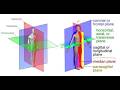 General Anatomy and Radiographic Positioning Terminologies or Words in Radiology Profession
 Patient’s safety and well being Through a Radiography Procedure
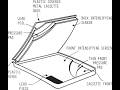 Conventional radiographic cassette; device in film based radiography to hold and protect the X ray
 C-arm fluoroscopy And Common Procedures Using C-Arm Fluoroscopy
 Why Sterile gauze Should adequately protects open wounds During Radiography Imaging
