
- Популярные видео
- Авто
- Видео-блоги
- ДТП, аварии
- Для маленьких
- Еда, напитки
- Животные
- Закон и право
- Знаменитости
- Игры
- Искусство
- Комедии
- Красота, мода
- Кулинария, рецепты
- Люди
- Мото
- Музыка
- Мультфильмы
- Наука, технологии
- Новости
- Образование
- Политика
- Праздники
- Приколы
- Природа
- Происшествия
- Путешествия
- Развлечения
- Ржач
- Семья
- Сериалы
- Спорт
- Стиль жизни
- ТВ передачи
- Танцы
- Технологии
- Товары
- Ужасы
- Фильмы
- Шоу-бизнес
- Юмор
How Section 468 IPC, Section 469 IPC & Section 471 IPC Apply to Fake Calls #ipc468 #fakecalls#ipc469
Sections 468, 469, and 471 of the Indian Penal Code (IPC) do not directly penalize the act of making a "fake call" itself, as these sections deal with forgery and forged documents. They become applicable if a forged document or electronic record is created or used as part of a scheme involving fake calls, such as in certain types of scams or harassment cases.
Application of the IPC Sections to Fake Calls
Section 468 IPC: Forgery for purpose of cheating
This section is attracted when a person commits forgery with the specific intent that the forged document or electronic record will be used for the purpose of cheating.
Application to fake calls: This would apply if, for example, an individual creates a forged official document (e.g., a fake court order, a bogus bank letter, or a false identification document/electronic record) and then uses this document during a fake call to deceive the victim into parting with property or money. The intention to cheat using the forged document is the key ingredient.
Section 469 IPC: Forgery for purpose of harming reputation
This section applies when a person commits forgery intending that the forged document or electronic record will harm the reputation of another party, or knowing it is likely to be used for that purpose.
Application to fake calls: This could be relevant if a fake call is made and is connected to the creation or use of a forged document that is intended to defame or damage someone's reputation (e.g., forging an embarrassing letter or a fake social media post and then referencing it during the call).
Section 471 IPC: Using as genuine a forged document
This section deals with using a forged document or electronic record as if it were genuine, when the person using it knows or has reason to believe it is forged.
Application to fake calls: This section can be charged in addition to Section 468 if the forged document made for cheating is actually presented or used as genuine during the fake call or as part of the overall fraudulent activity. The user of the document is punished in the same manner as if they had forged it themselves.
Other Relevant Laws
For cases involving "fake calls" where no forged documents are involved, other sections of the IPC and specific laws related to telecommunication and information technology are more directly applicable, such as:
Section 415/420 IPC: These sections address general cheating and dishonestly inducing the delivery of property, which is often the core of a scam call.
Section 509 IPC: This addresses acts intended to insult the modesty of a woman, which can apply to certain types of harassing or inappropriate fake calls.
The Information Technology Act, 2000: This Act includes provisions related to electronic records and cybercrimes, which cover the misuse of communication systems.
The Prohibition of Using Telecommunication System for Hoax Calls Act (proposed/specific state laws): Legislation exists to specifically address hoax calls, especially those causing fear or panic, with severe penalties.
#FakeCall
#ScamAlert
#onlinefrauds
#section468, #ipc469, #section471ipc, #beforelawyer, #ipcsection469, #Indianlaw, #ipc
Видео How Section 468 IPC, Section 469 IPC & Section 471 IPC Apply to Fake Calls #ipc468 #fakecalls#ipc469 канала BeforeLawyer
Application of the IPC Sections to Fake Calls
Section 468 IPC: Forgery for purpose of cheating
This section is attracted when a person commits forgery with the specific intent that the forged document or electronic record will be used for the purpose of cheating.
Application to fake calls: This would apply if, for example, an individual creates a forged official document (e.g., a fake court order, a bogus bank letter, or a false identification document/electronic record) and then uses this document during a fake call to deceive the victim into parting with property or money. The intention to cheat using the forged document is the key ingredient.
Section 469 IPC: Forgery for purpose of harming reputation
This section applies when a person commits forgery intending that the forged document or electronic record will harm the reputation of another party, or knowing it is likely to be used for that purpose.
Application to fake calls: This could be relevant if a fake call is made and is connected to the creation or use of a forged document that is intended to defame or damage someone's reputation (e.g., forging an embarrassing letter or a fake social media post and then referencing it during the call).
Section 471 IPC: Using as genuine a forged document
This section deals with using a forged document or electronic record as if it were genuine, when the person using it knows or has reason to believe it is forged.
Application to fake calls: This section can be charged in addition to Section 468 if the forged document made for cheating is actually presented or used as genuine during the fake call or as part of the overall fraudulent activity. The user of the document is punished in the same manner as if they had forged it themselves.
Other Relevant Laws
For cases involving "fake calls" where no forged documents are involved, other sections of the IPC and specific laws related to telecommunication and information technology are more directly applicable, such as:
Section 415/420 IPC: These sections address general cheating and dishonestly inducing the delivery of property, which is often the core of a scam call.
Section 509 IPC: This addresses acts intended to insult the modesty of a woman, which can apply to certain types of harassing or inappropriate fake calls.
The Information Technology Act, 2000: This Act includes provisions related to electronic records and cybercrimes, which cover the misuse of communication systems.
The Prohibition of Using Telecommunication System for Hoax Calls Act (proposed/specific state laws): Legislation exists to specifically address hoax calls, especially those causing fear or panic, with severe penalties.
#FakeCall
#ScamAlert
#onlinefrauds
#section468, #ipc469, #section471ipc, #beforelawyer, #ipcsection469, #Indianlaw, #ipc
Видео How Section 468 IPC, Section 469 IPC & Section 471 IPC Apply to Fake Calls #ipc468 #fakecalls#ipc469 канала BeforeLawyer
beforelawyer indian law legal awareness india indian penal code ipc sections explained legal rights india consumer rights cybercrime awareness traffic laws india women rights law india police complaint process rto rules india indian constitution basics law for students know your rights india southwala law before lawyer india legal education short videos ipc explained in hindi bailable and non-bailable offences section 19 driving license suspension
Комментарии отсутствуют
Информация о видео
22 ноября 2025 г. 10:00:21
00:00:16
Другие видео канала
 Rajasthan a JCB demolishedpoor vendors’ carts without any prior notice. #Kota #Rajasthan #section203
 What is the Section 279 Act? Rash Driving, Negligent Driving #rashdriving #section279 #ipc279 #law
 What is Section 406 IPC Criminal Breach of Trust #section406 #IPC406 #law #406ipc #lawandorder
 Section 304B IPC & Section 498A IPC Explained? #dowry #dowryharassment #dowrycase #lawandorder #law
 what it Section 341 IPC & Section 384 IPC | Toll Plaza Disputes #Section341 #IPC384 #Tolldisputes
 What is Section 428 and 429 of the IPC | Animal Abuse, Poisoning #animals #abuse #animalabuse #law
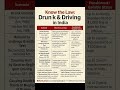 What is Section 185 of the IPC? Drunk and Driving #drunkanddriving #recklessdriving #law #section185
 What is Section 25 IPC & 26 IPC of the Hindu Succession Act | Ancestral Property #section25 #law
 someone asks for charity and keeps the money for themselves,it is not fundraising - it is a crime.
 What is Section 425 IPC & Section 435 IPC | Public Property Damage #IPC425 #IPC435 #PublicProperty
 What is Section 405 IPC & Section 406 IPC | PropertyDispute #Section405 #Section406 #Ipc405 #ipc406
 What is Section 268 IPC & 290 IPC | #PublicNuisance #section268 #ipc290 #268IPC #ipcsection268 #Law
 What is Section 177 IPC & Section 198 IPC | Auto Meter Fraud
 What is Section 447 IPC & Section 188 IPC |
 What is Section 21 IPC | #IPC21 #section21 #righttoprivacy #lawandorder #ipcsection21 #section21ipc
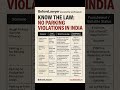 What is section 122 IPC | No Parking Punishment #section122 #noparking #ipc122 #motorvehicleact #law
 IPC Section 420, 467 & IPC Section 468 Property Dispute WIll No Will Fraud Forgery Case #fraud #law
 How Section 24 FSSAI Act and Section 52 FSSAI Act Applicable #Section24FSSAI #Section52FSSAI
 What is Factory Act 51 & 54 | Working Extra Hours
 Section 509 IPC & Section 67 IPC Explained | Creating Fake Video #section509 #section67 #law #ipc509
 What is Section 66C IPC & 66D IPC | Identity Theft #66cipc #66dipc #section66c #identitytheft #law
