
- Популярные видео
- Авто
- Видео-блоги
- ДТП, аварии
- Для маленьких
- Еда, напитки
- Животные
- Закон и право
- Знаменитости
- Игры
- Искусство
- Комедии
- Красота, мода
- Кулинария, рецепты
- Люди
- Мото
- Музыка
- Мультфильмы
- Наука, технологии
- Новости
- Образование
- Политика
- Праздники
- Приколы
- Природа
- Происшествия
- Путешествия
- Развлечения
- Ржач
- Семья
- Сериалы
- Спорт
- Стиль жизни
- ТВ передачи
- Танцы
- Технологии
- Товары
- Ужасы
- Фильмы
- Шоу-бизнес
- Юмор
What is section 122 IPC | No Parking Punishment #section122 #noparking #ipc122 #motorvehicleact #law
In Indian law, there are two different sections numbered 122, one in the Indian Penal Code (IPC) and another in the Motor Vehicles Act (MVA). The relevant law for "no parking" is Section 122 of the Motor Vehicles Act.
Section 122 of the Motor Vehicles Act, 1988
This section deals with leaving a vehicle in a dangerous position.
It states that no person in charge of a motor vehicle shall cause or allow the vehicle to remain at rest on any public place in such a position or condition as to cause or be likely to cause danger, obstruction, or undue inconvenience to other road users or passengers.
Enforcement: This is the legal basis used by traffic police when penalizing a vehicle for improper or "no parking" offenses, especially if the vehicle creates a traffic hazard.
Consequences: A police officer in uniform can authorize the removal (towing) or immobilization (e.g., wheel clamping) of a vehicle left in a prohibited area, and the owner is responsible for all towing costs and other penalties.
Section 122 of the Indian Penal Code (IPC)
Section 122 of the IPC (which is now Section 122 of the Bharatiya Nyaya Sanhita, BNS) is completely different and unrelated to traffic offenses.
It deals with the serious offense of collecting arms, etc., with the intention of waging war against the Government of India.
Punishment: The punishment is severe: imprisonment for life or imprisonment for a term not exceeding ten years, and a fine.
#section122 #noparking #ipc122 #motorvehicleact #law #indianlaw #lawandorder #ipc #section122ipc #beforelawyer
Видео What is section 122 IPC | No Parking Punishment #section122 #noparking #ipc122 #motorvehicleact #law канала BeforeLawyer
Section 122 of the Motor Vehicles Act, 1988
This section deals with leaving a vehicle in a dangerous position.
It states that no person in charge of a motor vehicle shall cause or allow the vehicle to remain at rest on any public place in such a position or condition as to cause or be likely to cause danger, obstruction, or undue inconvenience to other road users or passengers.
Enforcement: This is the legal basis used by traffic police when penalizing a vehicle for improper or "no parking" offenses, especially if the vehicle creates a traffic hazard.
Consequences: A police officer in uniform can authorize the removal (towing) or immobilization (e.g., wheel clamping) of a vehicle left in a prohibited area, and the owner is responsible for all towing costs and other penalties.
Section 122 of the Indian Penal Code (IPC)
Section 122 of the IPC (which is now Section 122 of the Bharatiya Nyaya Sanhita, BNS) is completely different and unrelated to traffic offenses.
It deals with the serious offense of collecting arms, etc., with the intention of waging war against the Government of India.
Punishment: The punishment is severe: imprisonment for life or imprisonment for a term not exceeding ten years, and a fine.
#section122 #noparking #ipc122 #motorvehicleact #law #indianlaw #lawandorder #ipc #section122ipc #beforelawyer
Видео What is section 122 IPC | No Parking Punishment #section122 #noparking #ipc122 #motorvehicleact #law канала BeforeLawyer
beforelawyer indian law legal awareness india indian penal code ipc sections explained legal rights india consumer rights cybercrime awareness traffic laws india women rights law india police complaint process rto rules india indian constitution basics law for students know your rights india southwala law before lawyer india legal education short videos ipc explained in hindi bailable and non-bailable offences section 19 driving license suspension
Комментарии отсутствуют
Информация о видео
14 ноября 2025 г. 11:25:08
00:00:21
Другие видео канала
 Rajasthan a JCB demolishedpoor vendors’ carts without any prior notice. #Kota #Rajasthan #section203
 What is the Section 279 Act? Rash Driving, Negligent Driving #rashdriving #section279 #ipc279 #law
 What is Section 406 IPC Criminal Breach of Trust #section406 #IPC406 #law #406ipc #lawandorder
 Section 304B IPC & Section 498A IPC Explained? #dowry #dowryharassment #dowrycase #lawandorder #law
 what it Section 341 IPC & Section 384 IPC | Toll Plaza Disputes #Section341 #IPC384 #Tolldisputes
 What is Section 428 and 429 of the IPC | Animal Abuse, Poisoning #animals #abuse #animalabuse #law
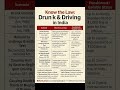 What is Section 185 of the IPC? Drunk and Driving #drunkanddriving #recklessdriving #law #section185
 What is Section 25 IPC & 26 IPC of the Hindu Succession Act | Ancestral Property #section25 #law
 someone asks for charity and keeps the money for themselves,it is not fundraising - it is a crime.
 What is Section 425 IPC & Section 435 IPC | Public Property Damage #IPC425 #IPC435 #PublicProperty
 What is Section 405 IPC & Section 406 IPC | PropertyDispute #Section405 #Section406 #Ipc405 #ipc406
 What is Section 268 IPC & 290 IPC | #PublicNuisance #section268 #ipc290 #268IPC #ipcsection268 #Law
 What is Section 177 IPC & Section 198 IPC | Auto Meter Fraud
 What is Section 447 IPC & Section 188 IPC |
 What is Section 21 IPC | #IPC21 #section21 #righttoprivacy #lawandorder #ipcsection21 #section21ipc
 IPC Section 420, 467 & IPC Section 468 Property Dispute WIll No Will Fraud Forgery Case #fraud #law
 How Section 24 FSSAI Act and Section 52 FSSAI Act Applicable #Section24FSSAI #Section52FSSAI
 What is Factory Act 51 & 54 | Working Extra Hours
 Section 509 IPC & Section 67 IPC Explained | Creating Fake Video #section509 #section67 #law #ipc509
 What is Section 66C IPC & 66D IPC | Identity Theft #66cipc #66dipc #section66c #identitytheft #law
