
- Популярные видео
- Авто
- Видео-блоги
- ДТП, аварии
- Для маленьких
- Еда, напитки
- Животные
- Закон и право
- Знаменитости
- Игры
- Искусство
- Комедии
- Красота, мода
- Кулинария, рецепты
- Люди
- Мото
- Музыка
- Мультфильмы
- Наука, технологии
- Новости
- Образование
- Политика
- Праздники
- Приколы
- Природа
- Происшествия
- Путешествия
- Развлечения
- Ржач
- Семья
- Сериалы
- Спорт
- Стиль жизни
- ТВ передачи
- Танцы
- Технологии
- Товары
- Ужасы
- Фильмы
- Шоу-бизнес
- Юмор
"The Lost Battalion" (1919) - First U.S. war film with real WWI veterans reenacting their own ordeal
In October 1918, during the final stages of World War I, the United States’ 77th Infantry Division is sent into the Argonne Forest as part of the Meuse-Argonne offensive. Composed largely of working-class men from New York City, part of Major General Robert Alexander's 77th Infantry Division, have been drafted from diverse ethnic, economic, and social groups in New York City. The regiment includes clerks, shopkeepers, and laborers, many with little military background. Under the command of Major Charles W. Whittlesey, they are ordered to push through the German lines and hold their position at all costs. Confident, though somewhat skeptical of their orders, the men march into dense woodland, unaware they are advancing into a trap.
The battalion quickly finds itself cut off, surrounded by German forces, and without supply lines. What begins as an advance soon becomes a desperate struggle for survival. Food and ammunition run low, while casualties rise. Whittlesey’s determination to obey orders keeps the men holding their ground, even as the situation grows more hopeless. Several attempts to deliver supplies by messenger end in tragedy, as runners are killed before reaching headquarters. Air drops frequently miss the isolated pocket, leaving the soldiers with little to sustain themselves.
German commanders, aware of the Americans’ plight, send envoys demanding surrender. In one pivotal moment, Whittlesey is presented with an offer to save his men’s lives if he lays down arms. Exhausted but resolute, he refuses to consider capitulation, famously declaring, “Go to hell.” His refusal steels the battalion’s resolve, though morale continues to falter as the men witness the steady toll of hunger, wounds, and relentless artillery fire.
Among the most harrowing episodes is the mistaken shelling of the Americans by their own artillery. Only through the intervention of carrier pigeons, most notably Cher Ami, is a message finally sent to correct the barrage, sparing the survivors from annihilation. By the time relief forces eventually reach the encircled men, only a fraction remain alive and able to stand. The survivors, ragged and hollow-eyed, emerge from the forest as living symbols of sacrifice and endurance.
The film closes with somber acknowledgment of the cost of war. While the battalion’s ordeal becomes a celebrated story of American courage, the heavy casualties and the men’s haunted expressions underscore the tragic reality of their ordeal.
A 1919 American Black & White silent war film directed by Burton L. King, produced by Edward A. MacManus (uncredited), written by Charles A. Logue, cinematography by Arthur A. Cadwell, starring Major General Robert Alexander, Lieutenant Colonel Charles W. Whittlesey, Major George McMurtry, Captain William J. Cullen, Lieutenant Arthur F. McKeogh, Lieutenant Augustus Kaiser, Private Abraham Krotoshinsky, Helen Ferguson, Marion Coakley, Mrs. Stuart Robson, Blanche Davenport , Lt. Jordan, Bessie Learn, Sidney D'Albrook, Gaston Glass, Jack McLean , William H. Tooker, Stephen Grattan, and J. A. King. Released by W. H. Productions Company.
Major Charles W. Whittlesey (1884-1921), and a number of actual soldiers from the 77th Infantry Division of the 308th Infantry Regiment portray themselves. Whittlesey, a U.S. Army Medal of Honor recipient, led the Lost Battalion in the Meuse–Argonne offensive during World War I. He earned a law degree from Harvard Law School and formed a law partnership. A month after the American entry into World War I, Whittlesey took a leave from his partnership and joined the U.S. Army. By September 1917 he was promoted to major.Whittlesey, together with Alvin York (of Sgt. York fame) acted as pall bearers in November 1921 for the internment of the US Unknown Soldier.
As much as possible, the enactment of the events were made with the original people who survived. Official footage from the U.S. Army Signal Corps. was used in the film, along with actual maps and documents. It also includes a real the German surrender note.
Bon Ami received a Distinguished Service Cross for her heroism as a carrier pigeon.
Nearly twenty years after this film, the town of Yaphank, where the army training camp was located, became a focal point for Nazi activity. Camp Siegfried was a summer camp which taught Nazi ideology. It was owned by the German American Bund, an American Nazi organization.
The director, Burton L King, cranked out 140 plus films in his 20 years in the film business.
The film was re-released by the Aywon Film Corp. in 1926, and remade in 2001 by Russell Mulcahy.
This gritty tale is an intriguing recreation of the famous U.S. military event in WWI, told with a deep respect for the subject matter. The action is riveting. Ordered to take the Argonne Forest, the American army faces formidable German resistance. This film is so steeped in the realities of the conflict, the people, their acts and the repercussions of it all that it can’t be ignored.
Видео "The Lost Battalion" (1919) - First U.S. war film with real WWI veterans reenacting their own ordeal канала Donald P. Borchers
The battalion quickly finds itself cut off, surrounded by German forces, and without supply lines. What begins as an advance soon becomes a desperate struggle for survival. Food and ammunition run low, while casualties rise. Whittlesey’s determination to obey orders keeps the men holding their ground, even as the situation grows more hopeless. Several attempts to deliver supplies by messenger end in tragedy, as runners are killed before reaching headquarters. Air drops frequently miss the isolated pocket, leaving the soldiers with little to sustain themselves.
German commanders, aware of the Americans’ plight, send envoys demanding surrender. In one pivotal moment, Whittlesey is presented with an offer to save his men’s lives if he lays down arms. Exhausted but resolute, he refuses to consider capitulation, famously declaring, “Go to hell.” His refusal steels the battalion’s resolve, though morale continues to falter as the men witness the steady toll of hunger, wounds, and relentless artillery fire.
Among the most harrowing episodes is the mistaken shelling of the Americans by their own artillery. Only through the intervention of carrier pigeons, most notably Cher Ami, is a message finally sent to correct the barrage, sparing the survivors from annihilation. By the time relief forces eventually reach the encircled men, only a fraction remain alive and able to stand. The survivors, ragged and hollow-eyed, emerge from the forest as living symbols of sacrifice and endurance.
The film closes with somber acknowledgment of the cost of war. While the battalion’s ordeal becomes a celebrated story of American courage, the heavy casualties and the men’s haunted expressions underscore the tragic reality of their ordeal.
A 1919 American Black & White silent war film directed by Burton L. King, produced by Edward A. MacManus (uncredited), written by Charles A. Logue, cinematography by Arthur A. Cadwell, starring Major General Robert Alexander, Lieutenant Colonel Charles W. Whittlesey, Major George McMurtry, Captain William J. Cullen, Lieutenant Arthur F. McKeogh, Lieutenant Augustus Kaiser, Private Abraham Krotoshinsky, Helen Ferguson, Marion Coakley, Mrs. Stuart Robson, Blanche Davenport , Lt. Jordan, Bessie Learn, Sidney D'Albrook, Gaston Glass, Jack McLean , William H. Tooker, Stephen Grattan, and J. A. King. Released by W. H. Productions Company.
Major Charles W. Whittlesey (1884-1921), and a number of actual soldiers from the 77th Infantry Division of the 308th Infantry Regiment portray themselves. Whittlesey, a U.S. Army Medal of Honor recipient, led the Lost Battalion in the Meuse–Argonne offensive during World War I. He earned a law degree from Harvard Law School and formed a law partnership. A month after the American entry into World War I, Whittlesey took a leave from his partnership and joined the U.S. Army. By September 1917 he was promoted to major.Whittlesey, together with Alvin York (of Sgt. York fame) acted as pall bearers in November 1921 for the internment of the US Unknown Soldier.
As much as possible, the enactment of the events were made with the original people who survived. Official footage from the U.S. Army Signal Corps. was used in the film, along with actual maps and documents. It also includes a real the German surrender note.
Bon Ami received a Distinguished Service Cross for her heroism as a carrier pigeon.
Nearly twenty years after this film, the town of Yaphank, where the army training camp was located, became a focal point for Nazi activity. Camp Siegfried was a summer camp which taught Nazi ideology. It was owned by the German American Bund, an American Nazi organization.
The director, Burton L King, cranked out 140 plus films in his 20 years in the film business.
The film was re-released by the Aywon Film Corp. in 1926, and remade in 2001 by Russell Mulcahy.
This gritty tale is an intriguing recreation of the famous U.S. military event in WWI, told with a deep respect for the subject matter. The action is riveting. Ordered to take the Argonne Forest, the American army faces formidable German resistance. This film is so steeped in the realities of the conflict, the people, their acts and the repercussions of it all that it can’t be ignored.
Видео "The Lost Battalion" (1919) - First U.S. war film with real WWI veterans reenacting their own ordeal канала Donald P. Borchers
1919 films 1919 war films 1910s American films American World War I films Cultural depictions of Charles W. Whittlesey Films directed by Burton L. King Forest of Argonne Meuse–Argonne offensive Silent American war films Western Front (World War I) films World War I films based on actual events Burton L. King Charles Logue Edward A. MacManus Major General Robert Alexander Lieutenant Colonel Charles W. Whittlesey Major George McMurtry Captain William J. Cullen
Комментарии отсутствуют
Информация о видео
25 августа 2025 г. 19:54:36
01:35:09
Другие видео канала
 Art Mix in "Rawhide Terror" (1934)
 Roscoe "Fatty" Arbuckle in "The Knockout" (1914) - feat. Charlie Chaplin
 Morgan Conway & Anne Jeffreys in "Dick Tracy" (1945)
 Gary Cooper in Victor Fleming's "The Virginian" (1929) - feat. Walter Huston
 Larry Semon & Oliver Hardy in "The Sawmill" (1922)
 Dick Tracy (1937) - a 15-chapter Republic movie serial - Chapter 05 - Brother Against Brother
 Donald P. Borchers' on set interview during "Vamp" (1986), part Three
 Mary Pickford in "Little Annie Rooney" (1925) - screenplay by Hope Loring & Louis Lighton
 José Ferrer in "Cyrano de Bergerac" (1950) - produced by Stanley Kramer, screenplay by Carl Foreman
 "The Nazis Strike" (1943) - Chapter II of Frank Capra's "Why We Fight" series
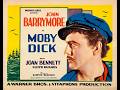 John Barrymore & Joan Bennett in "Moby Dick" (1930)
 Port of New York (1949) - screen debut appearance of Yul Brynner
 Rex Lease & Clyde Cook in "Wings of Adventure" (1930) - feat. Armida
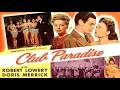 Robert Lowery in "Club Paradise" (1945) - feat. The Rubenettes & Johnson Brothers
 Douglas Fairbanks in Lloyd Ingraham's "American Aristocracy" (1916) - story by Anita Loos
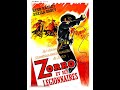 "Zorro's Fighting Legion" (1939), CHAPTER 7: The Fugitive
 Roscoe "Fatty" Arbuckle & Edgar Kennedy in "A Flirt's Mistake" (1914)
 J. Warren Kerrigan in James Cruze's "The Covered Wagon" (1923) - feat. Alan Hale
 Barbara Stanwyck & Joel McCrea in "Banjo on My Knee" (1936) - feat. Walter Brennan & Buddy Ebsen
 "Zorro's Black Whip" (1944), CHAPTER 1: The Masked Avenger
