
- Популярные видео
- Авто
- Видео-блоги
- ДТП, аварии
- Для маленьких
- Еда, напитки
- Животные
- Закон и право
- Знаменитости
- Игры
- Искусство
- Комедии
- Красота, мода
- Кулинария, рецепты
- Люди
- Мото
- Музыка
- Мультфильмы
- Наука, технологии
- Новости
- Образование
- Политика
- Праздники
- Приколы
- Природа
- Происшествия
- Путешествия
- Развлечения
- Ржач
- Семья
- Сериалы
- Спорт
- Стиль жизни
- ТВ передачи
- Танцы
- Технологии
- Товары
- Ужасы
- Фильмы
- Шоу-бизнес
- Юмор
ಕೊಕ್ಕರೆ ಒಂದರ ಬೆನ್ನು ಹತ್ತಿ Chasing a Stork ಪಕ್ಷಿ ವೀಕ್ಷಣೆಯ ಖುಷಿ ಬಲ್ಲವರಿಗೇ ಗೊತ್ತು
Storks are large, long-legged, long-necked wading birds with long, stout bills. They belong to the family Ciconiidae, and make up the order Ciconiiformes /sɪˈkoʊni.ɪfɔːrmiːz/. Ciconiiformes previously included a number of other families, such as herons and ibises, but those families have been moved to the order Pelecaniformes.
Storks dwell in many regions and tend to live in drier habitats than the closely related herons, spoonbills and ibises; they also lack the powder down that those groups use to clean off fish slime. Bill-clattering is an important mode of communication at the nest. Many species are migratory. Most storks eat frogs, fish, insects, earthworms, small birds and small mammals. There are 20 living species of storks in six genera.
Various terms are used to refer to groups of storks, two frequently used ones being a muster of storks and a phalanx of storks.
Storks tend to use soaring, gliding flight, which conserves energy. Soaring requires thermal air currents. Ottomar Anschütz's famous 1884 album of photographs of storks inspired the design of Otto Lilienthal's experimental gliders of the late nineteenth century. Storks are heavy, with wide wingspans: the marabou stork, with a wingspan of 3.2 m (10 ft 6 in) and weight up to 8 kg (18 lb), joins the Andean condor in having the widest wingspan of all living land birds.
Their nests are often very large and may be used for many years. Some nests have been known to grow to over 2 metres (6 ft 7 in) in diameter and about 3 metres (9.8 ft) in depth. All storks were once thought to be monogamous, but this is only partially true. While storks are generally socially monogamous, some species exhibit regular extra-pair breeding.
Popular conceptions of storks' fidelity, serial monogamy, and doting parental care contribute to their prominence in mythology and culture, especially in Western folklore as the deliverers of newborn humans.
All 20 stork species have been assessed by the IUCN and carry a confident Red List status. However, the assessments for several species were based on incorrect assumptions and a general lack of sound information on stork habits.
The word "stork" was first used in its current sense by at least the 12th century in Middle English. It is derived from the Old English word storc, which itself comes from the hypothesised Proto-Germanic *stork and ultimately the Proto-Indo-European *sr̥ǵos. The name refers to the rigid posture of storks, a meaning reflected in the related word stark, which is derived from the Old English stearc. Several species of storks are known by other common names. The jabiru is named after the Tupí-Guarani words meaning "that which has" and "swollen", referring to its thickset neck. The marabou stork is named after the Arabic word for holy man, murābiṭ, due to the perceived holy nature of the species. The adjutants are named after the military rank, referring to their stiff, military-like gait.
Storks range in size from the marabou, which stands 152 cm (60 in) tall and can weigh 8.9 kg (19+1⁄2 lb), to the Abdim's stork, which is only 75 cm (30 in) high and weighs only 1.3 kg (2+3⁄4 lb). Their shape is superficially similar to the herons, with long legs and necks, but they are more heavy-set. There is some sexual dimorphism (differences between males and females) in size, with males being up to 15% bigger than females in some species (for example, the saddle-billed stork), but almost no difference in appearance. The only difference is in the colour of the iris of the two species in the genus Ephippiorhynchus.
The bills of storks are large to very large, and vary considerably between the genera. The shape of the bills is linked to the diet of the different species. The large bills of the Ciconia storks are the least specialized. Larger are the massive and slightly upturned bills of the Ephippiorhynchus and the jabiru. These have evolved to hunt for fish in shallow water. Larger still are the massive daggers of the two adjutants and marabou (Leptoptilos), which are used to feed on carrion and in defense against other scavengers, as well as for taking other prey. The long, ibis-like downcurved bills of the Mycteria storks have sensitive tips that allow them to detect prey by touch (tactilocation) where cloudy conditions would not allow them to see it. The most specialised bills of any storks are those of the two openbills (Anastomus), which as their name suggests, is open in the middle when their bill is closed.
Although it is sometimes reported that storks lack syrinxes and are mute, they do have syrinxes, and are capable of making some sounds, although they do not do so often. The syrinxes of storks are "variably degenerate" however, and the syringeal membranes of some species are found between tracheal rings or cartilage, an unusual arrangement shared with the ovenbirds.
Courtesy:- Wikipedia
Here, following a Stork in a Garden.
Watch Videos of Chandrashekara Navada, kcnavada.com
Видео ಕೊಕ್ಕರೆ ಒಂದರ ಬೆನ್ನು ಹತ್ತಿ Chasing a Stork ಪಕ್ಷಿ ವೀಕ್ಷಣೆಯ ಖುಷಿ ಬಲ್ಲವರಿಗೇ ಗೊತ್ತು канала Chandrashekara Navada
Storks dwell in many regions and tend to live in drier habitats than the closely related herons, spoonbills and ibises; they also lack the powder down that those groups use to clean off fish slime. Bill-clattering is an important mode of communication at the nest. Many species are migratory. Most storks eat frogs, fish, insects, earthworms, small birds and small mammals. There are 20 living species of storks in six genera.
Various terms are used to refer to groups of storks, two frequently used ones being a muster of storks and a phalanx of storks.
Storks tend to use soaring, gliding flight, which conserves energy. Soaring requires thermal air currents. Ottomar Anschütz's famous 1884 album of photographs of storks inspired the design of Otto Lilienthal's experimental gliders of the late nineteenth century. Storks are heavy, with wide wingspans: the marabou stork, with a wingspan of 3.2 m (10 ft 6 in) and weight up to 8 kg (18 lb), joins the Andean condor in having the widest wingspan of all living land birds.
Their nests are often very large and may be used for many years. Some nests have been known to grow to over 2 metres (6 ft 7 in) in diameter and about 3 metres (9.8 ft) in depth. All storks were once thought to be monogamous, but this is only partially true. While storks are generally socially monogamous, some species exhibit regular extra-pair breeding.
Popular conceptions of storks' fidelity, serial monogamy, and doting parental care contribute to their prominence in mythology and culture, especially in Western folklore as the deliverers of newborn humans.
All 20 stork species have been assessed by the IUCN and carry a confident Red List status. However, the assessments for several species were based on incorrect assumptions and a general lack of sound information on stork habits.
The word "stork" was first used in its current sense by at least the 12th century in Middle English. It is derived from the Old English word storc, which itself comes from the hypothesised Proto-Germanic *stork and ultimately the Proto-Indo-European *sr̥ǵos. The name refers to the rigid posture of storks, a meaning reflected in the related word stark, which is derived from the Old English stearc. Several species of storks are known by other common names. The jabiru is named after the Tupí-Guarani words meaning "that which has" and "swollen", referring to its thickset neck. The marabou stork is named after the Arabic word for holy man, murābiṭ, due to the perceived holy nature of the species. The adjutants are named after the military rank, referring to their stiff, military-like gait.
Storks range in size from the marabou, which stands 152 cm (60 in) tall and can weigh 8.9 kg (19+1⁄2 lb), to the Abdim's stork, which is only 75 cm (30 in) high and weighs only 1.3 kg (2+3⁄4 lb). Their shape is superficially similar to the herons, with long legs and necks, but they are more heavy-set. There is some sexual dimorphism (differences between males and females) in size, with males being up to 15% bigger than females in some species (for example, the saddle-billed stork), but almost no difference in appearance. The only difference is in the colour of the iris of the two species in the genus Ephippiorhynchus.
The bills of storks are large to very large, and vary considerably between the genera. The shape of the bills is linked to the diet of the different species. The large bills of the Ciconia storks are the least specialized. Larger are the massive and slightly upturned bills of the Ephippiorhynchus and the jabiru. These have evolved to hunt for fish in shallow water. Larger still are the massive daggers of the two adjutants and marabou (Leptoptilos), which are used to feed on carrion and in defense against other scavengers, as well as for taking other prey. The long, ibis-like downcurved bills of the Mycteria storks have sensitive tips that allow them to detect prey by touch (tactilocation) where cloudy conditions would not allow them to see it. The most specialised bills of any storks are those of the two openbills (Anastomus), which as their name suggests, is open in the middle when their bill is closed.
Although it is sometimes reported that storks lack syrinxes and are mute, they do have syrinxes, and are capable of making some sounds, although they do not do so often. The syrinxes of storks are "variably degenerate" however, and the syringeal membranes of some species are found between tracheal rings or cartilage, an unusual arrangement shared with the ovenbirds.
Courtesy:- Wikipedia
Here, following a Stork in a Garden.
Watch Videos of Chandrashekara Navada, kcnavada.com
Видео ಕೊಕ್ಕರೆ ಒಂದರ ಬೆನ್ನು ಹತ್ತಿ Chasing a Stork ಪಕ್ಷಿ ವೀಕ್ಷಣೆಯ ಖುಷಿ ಬಲ್ಲವರಿಗೇ ಗೊತ್ತು канала Chandrashekara Navada
Комментарии отсутствуют
Информация о видео
29 ноября 2025 г. 16:13:58
00:00:17
Другие видео канала
 Love Poet ಪ್ರೇಮ ಕವಿ ಆಗಮಿಸಿದ ಕಾರಂತ 90 Dr Kota Shivarama Karanth 90th Birthday Celebration in 1991
 Shivarama Karanth ರು ಒಂದು ವಿಸ್ಮಯ ಲೋಕ; ನಿಮಗೆ ತಿಳಿದಿಲ್ಲದ ವಿಚಾರಗಳು ಎಷ್ಟೋ ಇವೆ! ಸಂಶೋಧಕ ಶೆಟ್ಟರ ಮಾತು ಕೇಳಿ
 Very Good! ಟಿ.ಎನ್. ಸೀತಾರಾಮ್ ಗೆ Panchami ಪುರಸ್ಕಾರ; Gandhi Hospital Udupi ಯಿಂದ
 ಹೊಂಡಕ್ಕಿಳಿದರು ಅಂದು ಕಾರಂತಜ್ಜ @ Parampalli School; Foundation Stone Laying to ರಂಗಮಂಟಪ
 Typical Idol ವಿಶಿಷ್ಟ ದೇವರ ಮೂರ್ತಿ @Mekkekatte Nadikeshwara Temple, Udupi District ಇಂತವು ನೂರಾರಿವೆ
 ಕಾಣದಂತೆ ಮಾಯ ವಾದವು ಈ ಸೇರು, ಕಳಸಿಗೆ, ಸಿದ್ದೆ ಎಂಬ ಧಾನ್ಯ ಅಳತೆಯ ಪಾತ್ರೆಗಳು Measuring units of olden days
 Tiger is God here ಹುಲಿಯನ್ನು ದೇವರೆಂದು ಪೂಜಿಸುತ್ತಾರೆ! @Mekkekatte, Udupi District, ನೂರಾರು ಮರದ ಮೂರ್ತಿಗಳು
 ಹೂ, ತುಳಸಿಗಳ ರಾಶಿ; ಮುಳುಗಿ ಹೋದ Tirupathi ತಿಮ್ಮಪ್ಪ Pushpa Yaga Mahothsava in Kodi of Udupi District
 MP Poojary & Sudhamurthy in Parliment Campus ಕೋಟ ಶ್ರೀನಿವಾಸ ಪೂಜಾರಿ, ಸಂಸದರು & Infosys Founder Wife
 ತುಲಾ ಭಾರ; ನಿಮ್ಮ ತೂಕದಷ್ಟು ದೇವರಿಗೆ 30 years' back ವಾರ್ಷಿಕ ಜಾತ್ರೆ @ Maha Satheeshwari Temple, Kodi
 ಇಂತಹ Homes ಈಗಲೂ ಇದ್ದಿರಬಹುದಾ? ಅಂದಿನ ಹುಲ್ಲಿನ ಮನೆಗಳು of Poors, 21st Century
 Sea Birds ಮೀನು ಹಿಡಿಯುತ್ತಿದ್ದಾರೆ Fish Catching ಮಳೆಗಾಲದ ಕೈರಂಪಣಿ ಮೀನುಗಾರಿಕೆಯ Photos
 Peacock; ಈ ವರ್ಷ ಪುಕ್ಕ ಉದುರಿದಾಗಲೂ ನಮ್ಮ ಸ್ನೇಹ ಬಿಡಲಿಲ್ಲ National Bird in Yard of our Home
 ವಿಶಿಷ್ಟ ವ್ಯಕ್ತಿತ್ವ ಹೊಂದಿದ್ದ ಈ ಸ್ವಾಮೀಜಿಯ Old Photo, Collection by Krishna Studio, Saligrama, Udupi Dt
 Neelavara ಶ್ರೀ ಮಹಿಷಮರ್ದಿನಿ ಅಮ್ಮನವರು ನಿಮಗೆಲ್ಲರಿಗೂ ಶುಭವನ್ನು ತರಲಿ Brahmavara Taluk, Udupi District
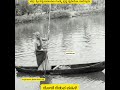 Boat ಓಡಿಸುವ Fisher woman ಮಹಿಳೆ Old Photography by Krishna Studio, Saligrama, Udupi District
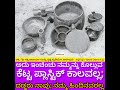 ಮರೆತೇ ಬಿಟ್ಟ Wooden Utensils ಮರದ ಉಪಯುಕ್ತ ಉಪಕರಣಗಳು Without Plastic ಅಂದು ಬದುಕಿದ್ದರು!
 Manthralaya ಶ್ರೀಗಳು ಮೆಚ್ಚಿದ Paperless in Gandhi Hospital, Udupi; First in undevided Dakshina Kannada
 Dr ಕಾರಂತರಿಗೆ ಶಾಲು ಹೊದಿಸುತ್ತಿರುವ ಡಾ. ಗುಂಡ್ಮಿ ಶಂಕರ್ Dr Kota Shivarama Karantha in Higher Primary ಶಾಲೆ
 ಕಾರಂತರು ಮಾತಾಡುತ್ತಿದ್ದಾರೆ; SILENCE PLEASE ಅವರೇ ನಮ್ಮ Dr Kota Shivarama Karantha ರು, ಕಡಲ ತೀರದ ಭಾರ್ಗವ
