
- Популярные видео
- Авто
- Видео-блоги
- ДТП, аварии
- Для маленьких
- Еда, напитки
- Животные
- Закон и право
- Знаменитости
- Игры
- Искусство
- Комедии
- Красота, мода
- Кулинария, рецепты
- Люди
- Мото
- Музыка
- Мультфильмы
- Наука, технологии
- Новости
- Образование
- Политика
- Праздники
- Приколы
- Природа
- Происшествия
- Путешествия
- Развлечения
- Ржач
- Семья
- Сериалы
- Спорт
- Стиль жизни
- ТВ передачи
- Танцы
- Технологии
- Товары
- Ужасы
- Фильмы
- Шоу-бизнес
- Юмор
Correct Pinky Finger Position for Piano #piano #pianotips #pianotutorial
Most piano players underestimate the importance of the pinky finger position on piano, yet the pinky is one of the most critical fingers for balance, strength, and control.
Watch my free online painless piano masterclass: https://helenaun.com/masterclass-registration
If your playing feels unstable, tense, or weak especially in chords, octaves, or fast passages your piano pinky position may be wrong, and applying the Alexander Technique can help you correct it with greater ease and awareness.
Many students focus on finger independence but ignore finger alignment. The pinky, being naturally weaker, needs proper positioning and support from the hand to function efficiently. A poor pinky position often leads to tension in the wrist, collapsing joints, and uneven tone issues that the Alexander Technique helps address by improving overall coordination.
❌ Common Wrong Pinky Finger Positions Explained
1⃣ Pinky Pointing Up
When the pinky points upward, it disconnects from the hand and loses stability. This position reduces control and makes accurate playing difficult. Correct pinky position keeps the finger aligned and ready to play without unnecessary lifting, something emphasized in the Alexander Technique.
2⃣ Pinky Curling Inwards
An inward-curling pinky creates tension and shortens the finger’s range of motion. This often happens unconsciously and limits power. Correct piano pinky position allows the finger to remain naturally curved and supported, guided by Alexander Technique principles.
3⃣ Joint Collapsing
A collapsing pinky joint (often due to weakness or hypermobility) causes loss of strength and tone. This is one of the most common technical problems. Proper pinky position maintains structure in the joint without locking or stiffness, which aligns with the Alexander Technique approach to balanced movement.
4⃣ Pinky Lying on Its Side
When the pinky falls sideways, it loses contact control with the keys and affects articulation. This mistake often leads to uneven sound and sloppy playing. Correct placement keeps the finger upright and balanced on the key surface, supported by Alexander Technique awareness.
✅ Why Correct Pinky Position Matters in Piano Playing
Correct pinky finger placement helps:
Improve hand balance and coordination (enhanced by the Alexander Technique)
Increase pinky strength without tension using the Alexander Technique
Produce a clearer, more even tone through better coordination and the Alexander Technique
Improve accuracy in chords and scales with Alexander Technique awareness
Prevent long-term strain and injury, a key benefit of the Alexander Technique
Build reliable piano technique supported by the Alexander Technique
If you are passionate about playing the piano, becoming a confident pianist, and improving your technique, this channel is for you. Led by a professional pianist, piano teacher, and certified Alexander Technique teacher, the focus is on healthy piano playing, injury prevention, retraining technique, and nervous system regulation for pianists. You will find piano lessons, technique exercises, posture guidance, hand position training, and arm weight technique. Whether you are dealing with wrist pain, shoulder pain, forearm tension, hand pain, thumb tension, or performance anxiety, this channel supports aspiring pianists, adult piano students, advanced pianists, and professional musicians in developing proper posture, body awareness, confidence, freedom, and long-term physical ease.
Hi, I'm Helen Aun! I'm a peak performance coach, Alexander Technique teacher, and business mentor for pianists and piano teachers. With over 25 years of experience as a professional pianist and educator, I help musicians play with confidence and ease, and build successful careers.
What I Do:
Founder of The Helen Aun Institute, dedicated to helping pianists thrive artistically and financially.
Help pianists overcome performance anxiety and physical pain.
Subscribe for tips on peak performance, injury prevention, and business growth tailored for pianists and piano teachers! 🎹🚀
#PianoPerformanceTips #AlexanderTechniqueForMusicians #PianoTeacherBusiness #MusicCareerDevelopment #PeakPerformanceCoaching #PianoInjuryPrevention #MusicBusinessStrategies #PianistMindset #PianoTeachingTips #PianoCareerGrowth #MusicianSuccessStories #piano #pianotips #pianolessons #pianotechnique #pianopractice #handposition #learnpiano #pianobeginners #pianoplayer #musiceducation #classicalpiano #musicpractice
Видео Correct Pinky Finger Position for Piano #piano #pianotips #pianotutorial канала Helen Aun
Watch my free online painless piano masterclass: https://helenaun.com/masterclass-registration
If your playing feels unstable, tense, or weak especially in chords, octaves, or fast passages your piano pinky position may be wrong, and applying the Alexander Technique can help you correct it with greater ease and awareness.
Many students focus on finger independence but ignore finger alignment. The pinky, being naturally weaker, needs proper positioning and support from the hand to function efficiently. A poor pinky position often leads to tension in the wrist, collapsing joints, and uneven tone issues that the Alexander Technique helps address by improving overall coordination.
❌ Common Wrong Pinky Finger Positions Explained
1⃣ Pinky Pointing Up
When the pinky points upward, it disconnects from the hand and loses stability. This position reduces control and makes accurate playing difficult. Correct pinky position keeps the finger aligned and ready to play without unnecessary lifting, something emphasized in the Alexander Technique.
2⃣ Pinky Curling Inwards
An inward-curling pinky creates tension and shortens the finger’s range of motion. This often happens unconsciously and limits power. Correct piano pinky position allows the finger to remain naturally curved and supported, guided by Alexander Technique principles.
3⃣ Joint Collapsing
A collapsing pinky joint (often due to weakness or hypermobility) causes loss of strength and tone. This is one of the most common technical problems. Proper pinky position maintains structure in the joint without locking or stiffness, which aligns with the Alexander Technique approach to balanced movement.
4⃣ Pinky Lying on Its Side
When the pinky falls sideways, it loses contact control with the keys and affects articulation. This mistake often leads to uneven sound and sloppy playing. Correct placement keeps the finger upright and balanced on the key surface, supported by Alexander Technique awareness.
✅ Why Correct Pinky Position Matters in Piano Playing
Correct pinky finger placement helps:
Improve hand balance and coordination (enhanced by the Alexander Technique)
Increase pinky strength without tension using the Alexander Technique
Produce a clearer, more even tone through better coordination and the Alexander Technique
Improve accuracy in chords and scales with Alexander Technique awareness
Prevent long-term strain and injury, a key benefit of the Alexander Technique
Build reliable piano technique supported by the Alexander Technique
If you are passionate about playing the piano, becoming a confident pianist, and improving your technique, this channel is for you. Led by a professional pianist, piano teacher, and certified Alexander Technique teacher, the focus is on healthy piano playing, injury prevention, retraining technique, and nervous system regulation for pianists. You will find piano lessons, technique exercises, posture guidance, hand position training, and arm weight technique. Whether you are dealing with wrist pain, shoulder pain, forearm tension, hand pain, thumb tension, or performance anxiety, this channel supports aspiring pianists, adult piano students, advanced pianists, and professional musicians in developing proper posture, body awareness, confidence, freedom, and long-term physical ease.
Hi, I'm Helen Aun! I'm a peak performance coach, Alexander Technique teacher, and business mentor for pianists and piano teachers. With over 25 years of experience as a professional pianist and educator, I help musicians play with confidence and ease, and build successful careers.
What I Do:
Founder of The Helen Aun Institute, dedicated to helping pianists thrive artistically and financially.
Help pianists overcome performance anxiety and physical pain.
Subscribe for tips on peak performance, injury prevention, and business growth tailored for pianists and piano teachers! 🎹🚀
#PianoPerformanceTips #AlexanderTechniqueForMusicians #PianoTeacherBusiness #MusicCareerDevelopment #PeakPerformanceCoaching #PianoInjuryPrevention #MusicBusinessStrategies #PianistMindset #PianoTeachingTips #PianoCareerGrowth #MusicianSuccessStories #piano #pianotips #pianolessons #pianotechnique #pianopractice #handposition #learnpiano #pianobeginners #pianoplayer #musiceducation #classicalpiano #musicpractice
Видео Correct Pinky Finger Position for Piano #piano #pianotips #pianotutorial канала Helen Aun
piano performance Alexander Technique piano business music career peak performance piano injury prevention music business strategies pianist mindset piano teaching tips piano career growth music success piano lessons piano teacher mentorship musician success stories performance anxiety piano technique music entrepreneurship piano education. correct pinky finger position piano piano pinky position wrong pinky position piano piano pinky technique
Комментарии отсутствуют
Информация о видео
3 ч. 5 мин. назад
00:00:11
Другие видео канала
 Train Your Fingers for Better Playing! #MusicianLife
 Scale Thumb Twist Why Your Piano Scales Don’t Improve #piano #pianotips
 Mozart Sonata Mistake Almost Everyone Makes #piano
 Why Your Pinky Stays Stiff and How to Fix It Fast #shorts #pianotips
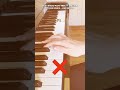 Correct Thumb Position for Piano #piano #pianotutorial #pianotips
 Correct Thumb Movement for Healthy Piano Technique #piano #pianotips
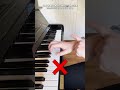 Tight Wrist Ruining Your Staccato | Try This Instead #pianotips #piano
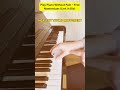 Healthy Thumb Movement Starts From the Right Joint #piano #pianotips
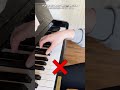 Why Your Clair de Lune Chords Feel Difficult #pianotips #piano
 Counting Notes After 1, 10 & 100 Years of Piano #piano #pianotips
 Transform Your Piano Skills with This Technique #PianoTips
 Fix Piano Posture to Play with Ease, Not Tension #injuryfreeplaying
 Good Posture Isn’t About Staying Rigid #bodyawareness
 Improve Piano Concentration With This Tip #shorts
 Master Multiple Skills with Different Pieces #pianolessons
 Master Your Timing with the Metronome #musicianlife
 Unlock Your Piano Skills with Smart Practice Tips #musicianlife
 Unlock Louder Piano Sounds with Ease #pianotips
 Do You Need to Read Music to Play Piano? #pianotips
 Turn Hanon Exercises Into Powerful Rhythm Practice #piano
