
- Популярные видео
- Авто
- Видео-блоги
- ДТП, аварии
- Для маленьких
- Еда, напитки
- Животные
- Закон и право
- Знаменитости
- Игры
- Искусство
- Комедии
- Красота, мода
- Кулинария, рецепты
- Люди
- Мото
- Музыка
- Мультфильмы
- Наука, технологии
- Новости
- Образование
- Политика
- Праздники
- Приколы
- Природа
- Происшествия
- Путешествия
- Развлечения
- Ржач
- Семья
- Сериалы
- Спорт
- Стиль жизни
- ТВ передачи
- Танцы
- Технологии
- Товары
- Ужасы
- Фильмы
- Шоу-бизнес
- Юмор
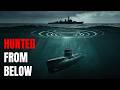
German U-Boats Attacked the Convoy — And Got Torpedoed Instead
U-boat commanders expected convoys to be vulnerable targets. Merchant ships were slower, lightly armed, and dependent on escorts for protection. For much of the early war, attacking convoys meant striking from stealth, firing torpedoes, and disappearing before escorts could react.
But as the Battle of the Atlantic evolved, convoys stopped being easy prey.
Allied escort groups became more coordinated, equipped with improved sonar, radar, and new anti-submarine tactics designed specifically to counter wolfpack attacks. Some escorts carried forward-throwing weapons, homing torpedoes, and aggressive counterattack strategies that allowed them to strike back immediately. In several encounters, U-boats that launched attacks suddenly found themselves tracked, hunted, and even torpedoed in return — turning the hunters into targets.
This episode explores how convoy defenses evolved, how escort vessels learned to counterattack submarines directly, and why some U-boat assaults ended with the attacking submarine destroyed instead of the convoy.
Видео German U-Boats Attacked the Convoy — And Got Torpedoed Instead канала Silent War Stories
But as the Battle of the Atlantic evolved, convoys stopped being easy prey.
Allied escort groups became more coordinated, equipped with improved sonar, radar, and new anti-submarine tactics designed specifically to counter wolfpack attacks. Some escorts carried forward-throwing weapons, homing torpedoes, and aggressive counterattack strategies that allowed them to strike back immediately. In several encounters, U-boats that launched attacks suddenly found themselves tracked, hunted, and even torpedoed in return — turning the hunters into targets.
This episode explores how convoy defenses evolved, how escort vessels learned to counterattack submarines directly, and why some U-boat assaults ended with the attacking submarine destroyed instead of the convoy.
Видео German U-Boats Attacked the Convoy — And Got Torpedoed Instead канала Silent War Stories
Комментарии отсутствуют
Информация о видео
12 мая 2026 г. 16:01:03
00:39:26
Другие видео канала
 They Trusted Escape Hatches… Until No One Came Back
 The Day the Atlantic Got Runways — U-Boats Had Nowhere Left to Hide
 They Surrendered in the Middle of the Ocean… and No One Knew What to Do
 The Secret That Turned U-boat Radios Into Death Sentences
 U-Boats Thought Neutral Harbors Were Safe Until They Became Intelligence Traps
 370,000 German Prisoners Saw the Truth About America — and Knew Germany Had Already Lost
 When U-Boats Caught the Tanker Alone and the Captain Refused to Let It Sink
 The Torpedo That Hunted U-Boats by Sound
 When the Atlantic Supply Submarines Became Easy Targets
 When America Turned Off the Lights, U-Boats Lost the Hunt
 U-Boats Thought They Were Invisible — Until Aircraft Could Sense Their Hulls
 Nowhere to Hide: How Allied Sonar Turned the Battle of the Atlantic
 U-Boat Captains Didn’t Fear Escorts Until the Ocean Started Exploding Ahead
 The Ocean Floor Was Their Last Hope - Then It Became Their Grave.
 Once Escorts Found a U-Boat, The Hunt Never Ended
 German Troops Feared the Sound of Allied Fighter Bombers
 They Thought It Was Safe — Then the Exits Disappeared
 U-Boat Commanders Trusted Wolf Packs — Until the Allies Turned Them Against Them
 From Invisible to Doomed: How Allied Sonar Destroyed the U-Boat Threat in 6 Months
 German U-Boats Didn’t Fear American Destroyers Until They Started Hunting in Packs
 The U-Boat That Entered… But Couldn’t Escape
