
- Популярные видео
- Авто
- Видео-блоги
- ДТП, аварии
- Для маленьких
- Еда, напитки
- Животные
- Закон и право
- Знаменитости
- Игры
- Искусство
- Комедии
- Красота, мода
- Кулинария, рецепты
- Люди
- Мото
- Музыка
- Мультфильмы
- Наука, технологии
- Новости
- Образование
- Политика
- Праздники
- Приколы
- Природа
- Происшествия
- Путешествия
- Развлечения
- Ржач
- Семья
- Сериалы
- Спорт
- Стиль жизни
- ТВ передачи
- Танцы
- Технологии
- Товары
- Ужасы
- Фильмы
- Шоу-бизнес
- Юмор
US Military Strategy in the Pacific: Taiwan, North Korea, and the China Threat
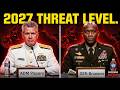
The Indo-Pacific remains the defining strategic theater of the 21st century. In this critical congressional posture hearing, top US military leaders—including Admiral Paparo (Commander, US INDOPACOM) and General Brunson (Commander, US Forces Korea)—deliver a stark assessment of the growing cooperation between China, Russia, and North Korea and outline the strategy to maintain peace through strength.
From Admiral Paparo’s innovative "Hellscape" drone defense concept to the pressing concerns over precision munitions shortages drained by ongoing conflicts in the Middle East, this hearing covers the vital steps the Department of Defense is taking to counter unprecedented military buildups in the region. We also dive into the modernization of South Korean forces, the expanding role of allied partnerships across the first island chain, and the critical need for advanced logistics and shipbuilding to sustain US forces across the vast Pacific.
[Timestamps]
00:00 - Opening Statements & The Deepening Threat
10:31 - DOD & INDOPACOM Strategies for Deterrence
20:15 - Allied Contributions (Japan, Philippines, South Korea)
30:08 - The "Hellscape" Concept & Unmanned Systems
35:17 - AUKUS, Minesweeping & Non-Kinetic Threats
44:32 - Pacific Logistics, Commercial Tankers & Space Dominance
01:00:01 - Expanding the Fleet & Munitions Shortage Concerns
01:28:34 - AI on the Battlefield & Hypersonic Weapons
01:51:32 - Confrontation Over US Munitions Depletion
Timestamps & Key Points:
00:00 – 09:37 | Opening Statements & Strategic Overview
Chairman Rogers opens by highlighting the cooperative threat of China, Russia, Iran, and North Korea. He advocates for a $1.5 trillion defense budget to rebuild the military, deter China's hypersonic and naval buildup, and arm Taiwan.
Ranking Member Smith agrees on the need for deterrence and strong alliances but expresses deep concern over the lack of mil-to-mil dialogue with China. He heavily criticizes the ongoing war in the Middle East ("Operation Epic Fury") for draining vital munitions and undermining US partnerships in Asia.
10:31 – 20:12 | Witness Opening Remarks
Assistant Secretary John No outlines the Department's goal to prevent China from becoming a regional hegemon by erecting a strong denial defense and pushing wealthy allies to meet a 3.5% GDP defense spending standard.
Admiral Paparo (Indo-PACOM) describes the Indo-Pacific as the defining strategic theater. He highlights the integration of allied firepower (e.g., the Balikatan exercise) and the transition toward AI-enhanced headquarters and unmanned systems.
General Brunson (US Forces Korea) emphasizes a shift from capacity to capability on the Korean Peninsula. He notes South Korea's growing military strength and the importance of countering disinformation and establishing regional sustainment hubs.
20:15 – 30:04 | Allied Contributions & Operational Control
Witnesses detail how allies are expanding their roles, including Japan participating in Philippine defense exercises and South Korea taking the lead in upcoming multilateral maritime efforts.
Gen. Brunson provides an update on the conditions-based transfer of wartime operational control (OPCON) to South Korea, targeting the second quarter of FY29.
30:08 – 35:15 | The "Hellscape" Concept & Munitions Depth
Rep. Wittman raises concerns about precision weapon magazine depth. Admiral Paparo discusses the "Hellscape" concept: countering China's mass with cheap, distributed, and autonomous precision kill systems (drones and low-cost hypersonics) to deny the enemy maritime and air space.
35:17 – 44:30 | AUKUS, Minesweeping, & Non-Kinetic Threats
Admiral Paparo confirms that Australia's rotational submarine force (AUKUS Pillar One) is on track. He also highlights the critical need for naval and autonomous minesweepers.
Rep. Scott questions China's non-kinetic strategies regarding Taiwan. Paparo confirms China's preferred route is coercion through gray-zone tactics, information operations, lawfare, and blockades/quarantines.
44:32 – 54:02 | Logistics, Tankers, & Space Dominance
1:00:01 – 1:13:00 | The "Golden Fleet" & FMS Delays
1:18:22 – 1:24:00 | Guam Infrastructure Vulnerabilities
1:28:34 – 1:40:00 | AI, Autonomous Systems, & Innovation
1:51:32 – 1:57:40 | Confrontation Over Munitions Depletion
1:57:46 – 2:02:50 | Hawaii Land Leases & Indigenous Rights
Defense Now | April 2026
https://youtube.com/playlist?list=PLe95fdmDwNk9Csgi9B60Eu6-eDugJzFP3&si=Ml4AlpcXSxAWa6tA
[Copyright / Source Disclaimer]
Footage provided by the public domain. All content is for educational and news-reporting purposes.
U.S. Military Posture and National Security Challenges in the Indo-Pacific Region
Film Credits: U.S. House Armed Services Committee
Видео US Military Strategy in the Pacific: Taiwan, North Korea, and the China Threat канала Defense Now
From Admiral Paparo’s innovative "Hellscape" drone defense concept to the pressing concerns over precision munitions shortages drained by ongoing conflicts in the Middle East, this hearing covers the vital steps the Department of Defense is taking to counter unprecedented military buildups in the region. We also dive into the modernization of South Korean forces, the expanding role of allied partnerships across the first island chain, and the critical need for advanced logistics and shipbuilding to sustain US forces across the vast Pacific.
[Timestamps]
00:00 - Opening Statements & The Deepening Threat
10:31 - DOD & INDOPACOM Strategies for Deterrence
20:15 - Allied Contributions (Japan, Philippines, South Korea)
30:08 - The "Hellscape" Concept & Unmanned Systems
35:17 - AUKUS, Minesweeping & Non-Kinetic Threats
44:32 - Pacific Logistics, Commercial Tankers & Space Dominance
01:00:01 - Expanding the Fleet & Munitions Shortage Concerns
01:28:34 - AI on the Battlefield & Hypersonic Weapons
01:51:32 - Confrontation Over US Munitions Depletion
Timestamps & Key Points:
00:00 – 09:37 | Opening Statements & Strategic Overview
Chairman Rogers opens by highlighting the cooperative threat of China, Russia, Iran, and North Korea. He advocates for a $1.5 trillion defense budget to rebuild the military, deter China's hypersonic and naval buildup, and arm Taiwan.
Ranking Member Smith agrees on the need for deterrence and strong alliances but expresses deep concern over the lack of mil-to-mil dialogue with China. He heavily criticizes the ongoing war in the Middle East ("Operation Epic Fury") for draining vital munitions and undermining US partnerships in Asia.
10:31 – 20:12 | Witness Opening Remarks
Assistant Secretary John No outlines the Department's goal to prevent China from becoming a regional hegemon by erecting a strong denial defense and pushing wealthy allies to meet a 3.5% GDP defense spending standard.
Admiral Paparo (Indo-PACOM) describes the Indo-Pacific as the defining strategic theater. He highlights the integration of allied firepower (e.g., the Balikatan exercise) and the transition toward AI-enhanced headquarters and unmanned systems.
General Brunson (US Forces Korea) emphasizes a shift from capacity to capability on the Korean Peninsula. He notes South Korea's growing military strength and the importance of countering disinformation and establishing regional sustainment hubs.
20:15 – 30:04 | Allied Contributions & Operational Control
Witnesses detail how allies are expanding their roles, including Japan participating in Philippine defense exercises and South Korea taking the lead in upcoming multilateral maritime efforts.
Gen. Brunson provides an update on the conditions-based transfer of wartime operational control (OPCON) to South Korea, targeting the second quarter of FY29.
30:08 – 35:15 | The "Hellscape" Concept & Munitions Depth
Rep. Wittman raises concerns about precision weapon magazine depth. Admiral Paparo discusses the "Hellscape" concept: countering China's mass with cheap, distributed, and autonomous precision kill systems (drones and low-cost hypersonics) to deny the enemy maritime and air space.
35:17 – 44:30 | AUKUS, Minesweeping, & Non-Kinetic Threats
Admiral Paparo confirms that Australia's rotational submarine force (AUKUS Pillar One) is on track. He also highlights the critical need for naval and autonomous minesweepers.
Rep. Scott questions China's non-kinetic strategies regarding Taiwan. Paparo confirms China's preferred route is coercion through gray-zone tactics, information operations, lawfare, and blockades/quarantines.
44:32 – 54:02 | Logistics, Tankers, & Space Dominance
1:00:01 – 1:13:00 | The "Golden Fleet" & FMS Delays
1:18:22 – 1:24:00 | Guam Infrastructure Vulnerabilities
1:28:34 – 1:40:00 | AI, Autonomous Systems, & Innovation
1:51:32 – 1:57:40 | Confrontation Over Munitions Depletion
1:57:46 – 2:02:50 | Hawaii Land Leases & Indigenous Rights
Defense Now | April 2026
https://youtube.com/playlist?list=PLe95fdmDwNk9Csgi9B60Eu6-eDugJzFP3&si=Ml4AlpcXSxAWa6tA
[Copyright / Source Disclaimer]
Footage provided by the public domain. All content is for educational and news-reporting purposes.
U.S. Military Posture and National Security Challenges in the Indo-Pacific Region
Film Credits: U.S. House Armed Services Committee
Видео US Military Strategy in the Pacific: Taiwan, North Korea, and the China Threat канала Defense Now
Defense Now INDOPACOM Samuel Paparo USFK Xavier Brunson John Noh NDAA FY2027 US Military Posture Pacific Fleet Defense News Armed Services Committee. DEFENSE NOW Indo-Pacific Command South China Sea Armed Services Committee US Defense Budget Naval Blockade Arleigh Burke-class Geopolitics Military News DOW Leaders Testify on Military Posture National Security Indo-Pacific Security and Readiness Hearing
Комментарии отсутствуют
Информация о видео
22 апреля 2026 г. 22:18:07
02:02:47
Другие видео канала
 LIVE: U.S. Navy Recruit Training Command Graduation Ceremony | RTC Great Lakes (April 30, 2026)
 TRUMP ATTACKED: Secret Service Neutralizes Shooter | B-2 Iran Strikes Revealed
 Pentagon Live: Army Top Spokesman Retires: COL David Butler Farewell
 118 Future Soldiers Sworn In | U.S. Army Reserve 118th Birthday Ceremony
 LIVE: Promotion Ceremony for Maj. Gen. Erica Austin (April 24, 2026)
 LIVE: U.S. Navy Boot Camp Graduation at Great Lakes | RTC Pass-In-Review | May 07, 2026.
 MCRD San Diego: Mike Company Pass in Review & Graduation (May 1, 2026)
 LIVE: Navy CECOS Basic Class 280 Graduation Ceremony | Port Hueneme
 LIVE: USSOCOM & CYBERCOM Commanders Testify on FY27 Posture
 LIVE: U.S. Army Retirement Ceremony | Honoring Decades of Service
 LIVE: USMC Alpha Company Graduation | MCRD San Diego | May 8, 2026.
 APEX PREDATOR: Navy Commissions USS Idaho (SSN 799). Fast Attack Sub Ready for War
 Revitalizing US Shipbuilding: Joint Navy & Coast Guard Hearing on Maritime Security
 The US & EU Just Made a Major Move Against China’s Monopoly
 HISTORIC: Trump Brokers Israel-Lebanon Ceasefire in Oval Office
 LIVE: U.S. Navy Boot Camp Graduation | Pass-In-Review Ceremony (April 23, 2026)
 The Making of a Marine: USMC Hotel Company Graduation (MCRD San Diego) | April 24, 2026.
 President Abruptly Cancels Talks, Targets $4B Fed Building & Iran, Beating China in Tech
 US Warns Europe & Iran: Global Naval Blockade Expands
 HIGH ALERT: US INDOPACOM Commander Exposes China & Russia's New War Strategy
