- Популярные видео
- Авто
- Видео-блоги
- ДТП, аварии
- Для маленьких
- Еда, напитки
- Животные
- Закон и право
- Знаменитости
- Игры
- Искусство
- Комедии
- Красота, мода
- Кулинария, рецепты
- Люди
- Мото
- Музыка
- Мультфильмы
- Наука, технологии
- Новости
- Образование
- Политика
- Праздники
- Приколы
- Природа
- Происшествия
- Путешествия
- Развлечения
- Ржач
- Семья
- Сериалы
- Спорт
- Стиль жизни
- ТВ передачи
- Танцы
- Технологии
- Товары
- Ужасы
- Фильмы
- Шоу-бизнес
- Юмор
The Ultimate Retro Tech Restoration: Saving a Heavily Damaged 2004 1st Gen Apple iPod Mini From Ruin
Welcome to a mesmerizing journey of technological resurrection! In this highly detailed, deeply satisfying macro video, we take a heavily damaged piece of modern technology history—a first-generation Apple iPod Mini from 2004—and bring it back from the brink of total destruction. This is not just a simple wipe-down or surface cleaning; it is a meticulous, science-driven restoration process that breathes fresh life into a beloved classic. If you are a fan of retro tech, electronics repair, ASMR, or Apple history, you are going to love watching this corroded gadget transform before your eyes.
The Diagnosis: Assessing the Microscopic Damage
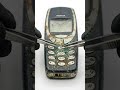
The video opens with a stark, nostalgic visual: a Polaroid photograph documenting the tragic initial state of the iPod Mini. The handwritten label reads "HEAVILY DAMAGED," and the macro lens quickly confirms this reality. The iconic aluminum shell and delicate internal components are plagued by severe green and brown corrosion, a heartbreaking sight for any retro technology enthusiast. A digital diagnostic overlay reports a "Corrosion index" of 7.2. Upon opening the device and inspecting the logic board, internal oxidation is confirmed across 14 distinct solder nodes. Furthermore, the critical ribbon cable integrity is deemed "critically compromised." It’s abundantly clear that this iPod has been exposed to significant moisture, humidity, and environmental wear over its two-decade lifespan, requiring drastic intervention.
Precision Chemical Treatment and Neutralization
The restoration process shown isn't about brute force; it’s entirely about precision chemistry and laboratory-grade techniques. We dive straight down into the motherboard, where the damage is at its most critical and threatening. Using specialized, sterile laboratory tools, including fine-tipped metal tweezers and glass pipettes, the meticulous cleaning process is initiated.
Targeted Application: A specially formulated isopropyl compound, boasting a strict 99.9% purity concentration, is carefully applied, drop by precise drop, to the highly affected solder joints and oxidized microchips.
Chemical Reaction: This high-purity solvent is an absolute necessity for advanced electronic restoration. It safely facilitates the molecular displacement of the harsh oxidation without leaving behind any conductive residue or moisture that could easily cause further short circuits once power is restored. Watching the pure, crystal-clear liquid dissolve the decades-old, stubborn grime is incredibly visually satisfying.
Extraction of the Oxidation Compound
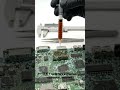
Once the applied chemical agents have done their hard work loosening the stubborn, green corrosion, the next absolutely critical step is physical extraction. Using a precision laboratory-grade glass syringe, the video showcases the delicate, high-stakes process of removing the dissolved oxidation extract. The measurement tool reads exactly 0.34 milliliters of raw corrosion compound, which has been successfully and completely isolated from the fragile substrate layer of the motherboard. This step is vital; leaving even a microscopic trace of active corrosive material behind would only guarantee the device's eventual failure. By neutralizing and physically extracting the threat, the logic board is secured for future, long-term operation.
Reassembly and The Magic of Synthesis
With the internal electronic components painstakingly cleaned and the microscopic chemical threats neutralized, the physical reintegration of the hardware finally begins. The iconic, revolutionary Apple click wheel—the very interface that defined an entire generation of portable music players and changed how we interact with devices—is carefully and deliberately seated back into its rightful place on the revitalized logic board. The system overlay joyfully reports a "Surface synthesis index" of 99.4%, indicating near-perfect structural alignment and surface integrity. The hardware is sound.
The Nostalgic Legacy of the 2004 iPod Mini
Why go through all of this intense, clinical effort for a small device released over 20 years ago? The 2004 iPod Mini holds a very special, irreplaceable place in the pantheon of consumer electronics.
A Revolutionary Design: It introduced the entire world to the Click Wheel, officially moving away from the separate physical buttons and mechanical touch wheels of earlier, bulkier models.
Anodized Aluminum Brilliance: Available in five vibrant, metallic colors (silver, gold, pink, blue, and green), it successfully turned technology into a personalized fashion accessory for the very first time.
Microdrive Storage: Packing an incredible 4GB of storage into a sleek device roughly the size of a standard business card was an absolute marvel of engineering at the time.
The Final Reveal: Restoring History
The final transformation is nothing short of miraculous. All structural parameters have been fully restored to their original factory specification.
Видео The Ultimate Retro Tech Restoration: Saving a Heavily Damaged 2004 1st Gen Apple iPod Mini From Ruin канала SynthLab Zero
The Diagnosis: Assessing the Microscopic Damage
The video opens with a stark, nostalgic visual: a Polaroid photograph documenting the tragic initial state of the iPod Mini. The handwritten label reads "HEAVILY DAMAGED," and the macro lens quickly confirms this reality. The iconic aluminum shell and delicate internal components are plagued by severe green and brown corrosion, a heartbreaking sight for any retro technology enthusiast. A digital diagnostic overlay reports a "Corrosion index" of 7.2. Upon opening the device and inspecting the logic board, internal oxidation is confirmed across 14 distinct solder nodes. Furthermore, the critical ribbon cable integrity is deemed "critically compromised." It’s abundantly clear that this iPod has been exposed to significant moisture, humidity, and environmental wear over its two-decade lifespan, requiring drastic intervention.
Precision Chemical Treatment and Neutralization
The restoration process shown isn't about brute force; it’s entirely about precision chemistry and laboratory-grade techniques. We dive straight down into the motherboard, where the damage is at its most critical and threatening. Using specialized, sterile laboratory tools, including fine-tipped metal tweezers and glass pipettes, the meticulous cleaning process is initiated.
Targeted Application: A specially formulated isopropyl compound, boasting a strict 99.9% purity concentration, is carefully applied, drop by precise drop, to the highly affected solder joints and oxidized microchips.
Chemical Reaction: This high-purity solvent is an absolute necessity for advanced electronic restoration. It safely facilitates the molecular displacement of the harsh oxidation without leaving behind any conductive residue or moisture that could easily cause further short circuits once power is restored. Watching the pure, crystal-clear liquid dissolve the decades-old, stubborn grime is incredibly visually satisfying.
Extraction of the Oxidation Compound
Once the applied chemical agents have done their hard work loosening the stubborn, green corrosion, the next absolutely critical step is physical extraction. Using a precision laboratory-grade glass syringe, the video showcases the delicate, high-stakes process of removing the dissolved oxidation extract. The measurement tool reads exactly 0.34 milliliters of raw corrosion compound, which has been successfully and completely isolated from the fragile substrate layer of the motherboard. This step is vital; leaving even a microscopic trace of active corrosive material behind would only guarantee the device's eventual failure. By neutralizing and physically extracting the threat, the logic board is secured for future, long-term operation.
Reassembly and The Magic of Synthesis
With the internal electronic components painstakingly cleaned and the microscopic chemical threats neutralized, the physical reintegration of the hardware finally begins. The iconic, revolutionary Apple click wheel—the very interface that defined an entire generation of portable music players and changed how we interact with devices—is carefully and deliberately seated back into its rightful place on the revitalized logic board. The system overlay joyfully reports a "Surface synthesis index" of 99.4%, indicating near-perfect structural alignment and surface integrity. The hardware is sound.
The Nostalgic Legacy of the 2004 iPod Mini
Why go through all of this intense, clinical effort for a small device released over 20 years ago? The 2004 iPod Mini holds a very special, irreplaceable place in the pantheon of consumer electronics.
A Revolutionary Design: It introduced the entire world to the Click Wheel, officially moving away from the separate physical buttons and mechanical touch wheels of earlier, bulkier models.
Anodized Aluminum Brilliance: Available in five vibrant, metallic colors (silver, gold, pink, blue, and green), it successfully turned technology into a personalized fashion accessory for the very first time.
Microdrive Storage: Packing an incredible 4GB of storage into a sleek device roughly the size of a standard business card was an absolute marvel of engineering at the time.
The Final Reveal: Restoring History
The final transformation is nothing short of miraculous. All structural parameters have been fully restored to their original factory specification.
Видео The Ultimate Retro Tech Restoration: Saving a Heavily Damaged 2004 1st Gen Apple iPod Mini From Ruin канала SynthLab Zero
iPod Mini restoration 2004 Apple iPod repair retro tech restoration vintage electronics fix heavily damaged tech motherboard cleaning isopropyl alcohol electronics oxidation removal tech ASMR tech repair first generation iPod Mini Apple history fixing old gadgets tech resurrection click wheel repair restoring corroded electronics macro tech video satisfying repair video gadget restoration saving e-waste classic Apple
Комментарии отсутствуют
Информация о видео
16 мая 2026 г. 19:08:59
00:00:49
Другие видео канала