- Популярные видео
- Авто
- Видео-блоги
- ДТП, аварии
- Для маленьких
- Еда, напитки
- Животные
- Закон и право
- Знаменитости
- Игры
- Искусство
- Комедии
- Красота, мода
- Кулинария, рецепты
- Люди
- Мото
- Музыка
- Мультфильмы
- Наука, технологии
- Новости
- Образование
- Политика
- Праздники
- Приколы
- Природа
- Происшествия
- Путешествия
- Развлечения
- Ржач
- Семья
- Сериалы
- Спорт
- Стиль жизни
- ТВ передачи
- Танцы
- Технологии
- Товары
- Ужасы
- Фильмы
- Шоу-бизнес
- Юмор
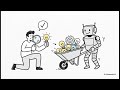
Pull Request Lifecycles as Agentic Coding Eval Data (NotebookLM blog post explainer)
https://terolaitinen.fi/pull-request-lifecycles-as-agentic-coding-eval-data
Pull request review is where agentic coding systems encounter ambiguity and accumulated inconsistency in an existing software organization. The task prompt may be incomplete, but the repository may also contain outdated documentation, conflicting requirements, redundant implementations, and code that no longer matches the current guidelines. The review discussion contains product intent, local engineering preferences, hidden conventions, quality-gate gaps, and corrections to assumptions that were not written down before the agent started working.
Human reviewers may notice that a comment should become durable guidance, or that a repeated review finding should become an automated gate. The current pull request may still remain the urgent work. Turning that observation into a guidance-surface or quality-gate improvement is a separate strategic task, and its benefit accrues mostly to future contributors.
That does not make the signal unavailable. It means the signal is contextual, scattered, and not immediately actionable. The useful system is one that mines pull request lifecycles after merge and turns repeated correction patterns into reviewable improvement PRs.
Видео Pull Request Lifecycles as Agentic Coding Eval Data (NotebookLM blog post explainer) канала Tero Laitinen
Pull request review is where agentic coding systems encounter ambiguity and accumulated inconsistency in an existing software organization. The task prompt may be incomplete, but the repository may also contain outdated documentation, conflicting requirements, redundant implementations, and code that no longer matches the current guidelines. The review discussion contains product intent, local engineering preferences, hidden conventions, quality-gate gaps, and corrections to assumptions that were not written down before the agent started working.
Human reviewers may notice that a comment should become durable guidance, or that a repeated review finding should become an automated gate. The current pull request may still remain the urgent work. Turning that observation into a guidance-surface or quality-gate improvement is a separate strategic task, and its benefit accrues mostly to future contributors.
That does not make the signal unavailable. It means the signal is contextual, scattered, and not immediately actionable. The useful system is one that mines pull request lifecycles after merge and turns repeated correction patterns into reviewable improvement PRs.
Видео Pull Request Lifecycles as Agentic Coding Eval Data (NotebookLM blog post explainer) канала Tero Laitinen
Комментарии отсутствуют
Информация о видео
8 ч. 6 мин. назад
00:08:51
Другие видео канала