
- Популярные видео
- Авто
- Видео-блоги
- ДТП, аварии
- Для маленьких
- Еда, напитки
- Животные
- Закон и право
- Знаменитости
- Игры
- Искусство
- Комедии
- Красота, мода
- Кулинария, рецепты
- Люди
- Мото
- Музыка
- Мультфильмы
- Наука, технологии
- Новости
- Образование
- Политика
- Праздники
- Приколы
- Природа
- Происшествия
- Путешествия
- Развлечения
- Ржач
- Семья
- Сериалы
- Спорт
- Стиль жизни
- ТВ передачи
- Танцы
- Технологии
- Товары
- Ужасы
- Фильмы
- Шоу-бизнес
- Юмор
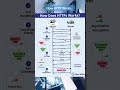
HOW DOES SSL CERTIFICATE EVEN WORK? (Lets find out, also check description) #ssl #shorts #fyp
An SSL (Secure Sockets Layer) certificate, more accurately referred to as a TLS (Transport Layer Security) certificate (TLS is the modern, more secure successor to SSL), is a digital certificate that enables encrypted communication between a web server (website) and a web browser (client). It's crucial for securing online transactions, protecting sensitive data, and building user trust.
Here's a breakdown of how it works:
1. The Core Components: Public Key Infrastructure (PKI)
SSL/TLS relies on a concept called Public Key Infrastructure (PKI). PKI is a system of policies, processes, hardware, and software that creates, manages, distributes, and revokes digital certificates. Key elements of PKI include:
Public Key Cryptography: This uses a pair of keys: a public key and a private key.
Public Key: This key is openly shared. Anything encrypted with the public key can only be decrypted by the corresponding private key.
Private Key: This key is kept secret by the owner. Anything encrypted with the private key can only be decrypted by the corresponding public key.
Certificate Authority (CA): A trusted third-party organization that issues and manages SSL/TLS certificates. CAs verify the identity of website owners before issuing certificates, ensuring that the certificate is legitimate. Your browser has a list of trusted CAs pre-installed.
Digital Certificates: These are like digital passports. An SSL/TLS certificate contains:
The website's domain name
The public key of the website
The name of the Certificate Authority that issued it
The issuance and expiration dates
The CA's digital signature (to prove its authenticity)
2. The SSL/TLS Handshake: Establishing a Secure Connection
When you try to connect to a website using HTTPS (which signifies an SSL/TLS secured connection), a "handshake" process occurs between your browser and the website's server:
Client Hello: Your browser sends a "Client Hello" message to the server. This message includes:
The SSL/TLS versions it supports.
A list of encryption algorithms (cipher suites) it can use.
A randomly generated number (client random).
Server Hello: The server responds with a "Server Hello" message, which includes:
The chosen SSL/TLS version (the highest common version supported by both).
The selected cipher suite (the best encryption method they both support).
Its own randomly generated number (server random).
The server's SSL/TLS certificate, containing its public key.
Certificate Verification: Your browser receives the server's certificate and performs several checks to verify its authenticity:
It checks if the certificate is valid (not expired or revoked).
It verifies that the certificate was issued by a Certificate Authority it trusts.
It confirms that the certificate is for the website you are actually trying to access.
If any of these checks fail, your browser will display a warning, indicating that the connection is not secure.
Key Exchange and Pre-Master Secret: If the certificate is valid, your browser generates a "pre-master secret" (another random number). It encrypts this pre-master secret using the server's public key (from the certificate) and sends it to the server. Only the server, with its corresponding private key, can decrypt this pre-master secret.
Session Key Generation: Both the browser and the server, now having the "client random," "server random," and the "pre-master secret," use these three values to generate a unique, symmetric "session key."
Finished Messages: Both parties send "Finished" messages, encrypted with the newly generated session key, to confirm that the handshake is complete and future communication will be encrypted using this session key.
Secure Data Transfer: Once the handshake is successful, all subsequent data exchanged between your browser and the server is encrypted using the symmetric session key. This ensures that even if an attacker intercepts the data, they won't be able to read it because they don't have the session key.
Видео HOW DOES SSL CERTIFICATE EVEN WORK? (Lets find out, also check description) #ssl #shorts #fyp канала Oculustechnologies
Here's a breakdown of how it works:
1. The Core Components: Public Key Infrastructure (PKI)
SSL/TLS relies on a concept called Public Key Infrastructure (PKI). PKI is a system of policies, processes, hardware, and software that creates, manages, distributes, and revokes digital certificates. Key elements of PKI include:
Public Key Cryptography: This uses a pair of keys: a public key and a private key.
Public Key: This key is openly shared. Anything encrypted with the public key can only be decrypted by the corresponding private key.
Private Key: This key is kept secret by the owner. Anything encrypted with the private key can only be decrypted by the corresponding public key.
Certificate Authority (CA): A trusted third-party organization that issues and manages SSL/TLS certificates. CAs verify the identity of website owners before issuing certificates, ensuring that the certificate is legitimate. Your browser has a list of trusted CAs pre-installed.
Digital Certificates: These are like digital passports. An SSL/TLS certificate contains:
The website's domain name
The public key of the website
The name of the Certificate Authority that issued it
The issuance and expiration dates
The CA's digital signature (to prove its authenticity)
2. The SSL/TLS Handshake: Establishing a Secure Connection
When you try to connect to a website using HTTPS (which signifies an SSL/TLS secured connection), a "handshake" process occurs between your browser and the website's server:
Client Hello: Your browser sends a "Client Hello" message to the server. This message includes:
The SSL/TLS versions it supports.
A list of encryption algorithms (cipher suites) it can use.
A randomly generated number (client random).
Server Hello: The server responds with a "Server Hello" message, which includes:
The chosen SSL/TLS version (the highest common version supported by both).
The selected cipher suite (the best encryption method they both support).
Its own randomly generated number (server random).
The server's SSL/TLS certificate, containing its public key.
Certificate Verification: Your browser receives the server's certificate and performs several checks to verify its authenticity:
It checks if the certificate is valid (not expired or revoked).
It verifies that the certificate was issued by a Certificate Authority it trusts.
It confirms that the certificate is for the website you are actually trying to access.
If any of these checks fail, your browser will display a warning, indicating that the connection is not secure.
Key Exchange and Pre-Master Secret: If the certificate is valid, your browser generates a "pre-master secret" (another random number). It encrypts this pre-master secret using the server's public key (from the certificate) and sends it to the server. Only the server, with its corresponding private key, can decrypt this pre-master secret.
Session Key Generation: Both the browser and the server, now having the "client random," "server random," and the "pre-master secret," use these three values to generate a unique, symmetric "session key."
Finished Messages: Both parties send "Finished" messages, encrypted with the newly generated session key, to confirm that the handshake is complete and future communication will be encrypted using this session key.
Secure Data Transfer: Once the handshake is successful, all subsequent data exchanged between your browser and the server is encrypted using the symmetric session key. This ensures that even if an attacker intercepts the data, they won't be able to read it because they don't have the session key.
Видео HOW DOES SSL CERTIFICATE EVEN WORK? (Lets find out, also check description) #ssl #shorts #fyp канала Oculustechnologies
Комментарии отсутствуют
Информация о видео
23 мая 2025 г. 18:07:10
00:00:16
Другие видео канала
 DOCKER IMPORTANT COMMANDS #docker #dockertraining #viralvideo #shorts
 MACHINE LEARNING ALGORITHM (Check description) #machine #algorithm #learning #viralvideo #shorts
 THE JAVA STACK (Check description) #java #stack #javastack #viral #shorts #viralvideo
 DATA SCIENCE ROAD MAP (Check description) #data #datascience #roadmap #coding #viralvideo
 ARP COMMANDS (Explained) #arp #commands #prompt #viralvideo #shorts #shortfeed
 TOP 4 MICROSERVICES PATTERN (Check description)
 VLAN FINALLY EXPLAINED. Check description. #technology #science #shortvideo #server #mrbeast
 PUBLIC CLOUD VS PRIVATE CLOUD (Explained, check description)
 DATA ANALYTIC SKILLS (Check description) #data #coding #analytics #viralshorts #shortsvideo
 HOW TO CONNECT IP CAMERA WITH NETWORK SWITCH #camera #technology #viralvideo #shorts #learning
 LINUX IS BEAUTIFUL, Upgrade today(Check description) #linux #firmware #shorts #viralvideo #tech
 PYTHON PROGRAMMING ROADMAP #python #programming #roadmap #viral #shorts
 SUBNETTING EXPLAINED (check description) #tecnologia #science #server #shorts #viralvideo
 Machine Learning Engineering #coding #machinelearning #ai #viralvideo #viral #ahorts
 World Bank Group Youth Summit 2025
 LINUX PERMISSIONS ( Check details) #linux #permissions #linux #server #viralvideo #shorts #viral
 REVERSE A LIST IN PYTHON(heck description) #python #reverse #list #coding #codingtutorial #coding
 IP VS MAC ADDRESS (Check description) #address #protocol #server #viralvideo #shortsfeed #shorts
 DNS Explained (Domain name system)
 How HTTP works ()
