
- Популярные видео
- Авто
- Видео-блоги
- ДТП, аварии
- Для маленьких
- Еда, напитки
- Животные
- Закон и право
- Знаменитости
- Игры
- Искусство
- Комедии
- Красота, мода
- Кулинария, рецепты
- Люди
- Мото
- Музыка
- Мультфильмы
- Наука, технологии
- Новости
- Образование
- Политика
- Праздники
- Приколы
- Природа
- Происшествия
- Путешествия
- Развлечения
- Ржач
- Семья
- Сериалы
- Спорт
- Стиль жизни
- ТВ передачи
- Танцы
- Технологии
- Товары
- Ужасы
- Фильмы
- Шоу-бизнес
- Юмор
The simplest designs are often the hardest to make — this pendant is a perfect example.
When it comes to 3D printing, geometry does a lot more than define how something looks. Curves and contours aren't just aesthetic choices but structural components. They distribute stress across a surface and give a print something to build on layer by layer.
That's exactly the challenge here. By simplifying the sides of this pendant into a straight pill shape, we removed the very curves that were keeping it structurally sound — leading to warping, weak points, and failed prints.
To solve it, we went back into the geometry and made a few targeted adjustments: widening the layer lines through the extrusion and speed — these are some factors among dozens in 3D printing that could be causing these issues.
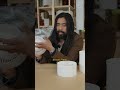
It turns out Jenga blocks are actually a great analogy for how 3D printing works. Stacking the blocks at an angle on the short side is similar to thin layer lines, with less surface area to stick to, creating a steep overhang. Stacking the blocks on the long side represents wider layer lines, giving each layer more material to adhere to and resulting in shallower overhangs.
Видео The simplest designs are often the hardest to make — this pendant is a perfect example. канала Wooj Design
That's exactly the challenge here. By simplifying the sides of this pendant into a straight pill shape, we removed the very curves that were keeping it structurally sound — leading to warping, weak points, and failed prints.
To solve it, we went back into the geometry and made a few targeted adjustments: widening the layer lines through the extrusion and speed — these are some factors among dozens in 3D printing that could be causing these issues.
It turns out Jenga blocks are actually a great analogy for how 3D printing works. Stacking the blocks at an angle on the short side is similar to thin layer lines, with less surface area to stick to, creating a steep overhang. Stacking the blocks on the long side represents wider layer lines, giving each layer more material to adhere to and resulting in shallower overhangs.
Видео The simplest designs are often the hardest to make — this pendant is a perfect example. канала Wooj Design
Комментарии отсутствуют
Информация о видео
19 мая 2026 г. 20:59:17
00:00:59
Другие видео канала
 The Palindrome Sconce — Launching 02.18.2026
 From Shoppe Object to MoMa Design Store
 Lighting designer fixes bad overhead lighting with scraps
 Ask a Designer (Part 3)
 Late nights at the studio #3dprinting #prototyping #smallbusiness #lamp
 An unconventional tour of the Wooj studio space
 Helios Sconce ~ plug-in, dimmable, renter-friendly.
 🫒 Allium + Mini Wavy in olive oil
 So what do you think about this sconce?
 Burning the Midnight Oil #3dprinting #lightingdesign
 Another daily harvest
 The Adventure of Baby Wavy - A Wooj Short
 This is why you need to stop procrastinating
 Overhead lighting is a vibe killer #lighting #lamp #3dprinting #smallbusiness
 on/off of our new prototype lamp
 Palindrome Sconce dropping in September
 The Rosette Sconce is finally here
 "What software do you use?"
 Designing things that feel like they were made by the tool that makes them.
 Rosette Sconce – coming soon.
 This small detail will save us hours of time.
