
- Популярные видео
- Авто
- Видео-блоги
- ДТП, аварии
- Для маленьких
- Еда, напитки
- Животные
- Закон и право
- Знаменитости
- Игры
- Искусство
- Комедии
- Красота, мода
- Кулинария, рецепты
- Люди
- Мото
- Музыка
- Мультфильмы
- Наука, технологии
- Новости
- Образование
- Политика
- Праздники
- Приколы
- Природа
- Происшествия
- Путешествия
- Развлечения
- Ржач
- Семья
- Сериалы
- Спорт
- Стиль жизни
- ТВ передачи
- Танцы
- Технологии
- Товары
- Ужасы
- Фильмы
- Шоу-бизнес
- Юмор
Refrigerator Repair | Brazing Refrigerant Lines #fridgerepair
This video about Refrigerator Repair | Brazing Refrigerant Lines
Brazing gas lines in a refrigerator involves joining metal components, such as copper or brass, using a filler metal that has a lower melting point than the base metals. Here's a step-by-step description of how to braze gas lines in a refrigerator:
1. Preparation:
Safety First: Ensure you're wearing proper personal protective equipment (PPE), including gloves, goggles, and flame-resistant clothing. Work in a well-ventilated area and keep a fire extinguisher nearby.
Shut off the Gas Supply: Disconnect the refrigerator from its power source and turn off the gas supply to the lines.
Clean the Surfaces: Use a wire brush, emery cloth, or sandpaper to clean the metal surfaces that will be brazed. Ensure all dirt, oil, and oxidation are removed, as contaminants can affect the brazing process.
Cut and Fit the Gas Line: Measure and cut the tubing to the required length. Make sure the pieces fit together precisely for a tight, secure joint.
2. Setting Up the Work Area:
Choose the Right Filler Metal: Select a brazing rod suitable for copper, brass, or the material of your gas line. Common filler metals for gas lines are made of copper-phosphorus or silver alloys.
Apply Flux: Apply an appropriate flux to the area where the brazing will occur. The flux helps prevent oxidation and facilitates the flow of the filler metal. Make sure the flux is designed for the type of filler metal you're using.
3. Brazing the Gas Line:
Heating the Joint: Using a torch (typically an oxy-acetylene or propane torch), heat the joint evenly. Focus the flame on the base material, not directly on the filler metal. The goal is to bring the metal to the correct temperature (usually around 1200°F to 1500°F, depending on the filler metal) without overheating it.
Adding the Filler Metal: Once the joint is hot enough, introduce the brazing rod to the joint. The filler metal should melt and flow into the gap between the two pieces of metal. Move the torch and rod around the joint to ensure an even, strong bond.
Maintain Control: Be careful not to overheat the base metal, which could damage the tubing or create weak points in the joint. Keep the flame moving and avoid excessive exposure to the heat.
4. Cooling and Cleaning:
Allow the Joint to Cool: After the filler metal has flowed into the joint and the brazing is complete, let the joint cool naturally. Avoid quenching with water, as this can cause thermal shock and weaken the bond.
Clean the Joint: Once cool, clean off any excess flux or residue using a wire brush or a mild acid solution. This ensures a clean, smooth finish and prevents corrosion in the future.
5. Pressure Testing:
Test for Leaks: After the brazing is done and the joint has cooled, pressure test the gas lines to ensure there are no leaks. Use a pressure gauge or a soapy water solution to check for bubbles at the joint. If there are leaks, you may need to redo the brazing process.
Final Check:
Inspect the Joint: Visually inspect the brazed joint to ensure it’s smooth, uniform, and well-formed. It should look like a solid, metallic bond without any cracks or voids.
By following these steps, you can braze the gas lines in a refrigerator safely and effectively, ensuring a strong, leak-free joint.
#fridge #refrigerator #repairing
Видео Refrigerator Repair | Brazing Refrigerant Lines #fridgerepair канала Circuit Class
Brazing gas lines in a refrigerator involves joining metal components, such as copper or brass, using a filler metal that has a lower melting point than the base metals. Here's a step-by-step description of how to braze gas lines in a refrigerator:
1. Preparation:
Safety First: Ensure you're wearing proper personal protective equipment (PPE), including gloves, goggles, and flame-resistant clothing. Work in a well-ventilated area and keep a fire extinguisher nearby.
Shut off the Gas Supply: Disconnect the refrigerator from its power source and turn off the gas supply to the lines.
Clean the Surfaces: Use a wire brush, emery cloth, or sandpaper to clean the metal surfaces that will be brazed. Ensure all dirt, oil, and oxidation are removed, as contaminants can affect the brazing process.
Cut and Fit the Gas Line: Measure and cut the tubing to the required length. Make sure the pieces fit together precisely for a tight, secure joint.
2. Setting Up the Work Area:
Choose the Right Filler Metal: Select a brazing rod suitable for copper, brass, or the material of your gas line. Common filler metals for gas lines are made of copper-phosphorus or silver alloys.
Apply Flux: Apply an appropriate flux to the area where the brazing will occur. The flux helps prevent oxidation and facilitates the flow of the filler metal. Make sure the flux is designed for the type of filler metal you're using.
3. Brazing the Gas Line:
Heating the Joint: Using a torch (typically an oxy-acetylene or propane torch), heat the joint evenly. Focus the flame on the base material, not directly on the filler metal. The goal is to bring the metal to the correct temperature (usually around 1200°F to 1500°F, depending on the filler metal) without overheating it.
Adding the Filler Metal: Once the joint is hot enough, introduce the brazing rod to the joint. The filler metal should melt and flow into the gap between the two pieces of metal. Move the torch and rod around the joint to ensure an even, strong bond.
Maintain Control: Be careful not to overheat the base metal, which could damage the tubing or create weak points in the joint. Keep the flame moving and avoid excessive exposure to the heat.
4. Cooling and Cleaning:
Allow the Joint to Cool: After the filler metal has flowed into the joint and the brazing is complete, let the joint cool naturally. Avoid quenching with water, as this can cause thermal shock and weaken the bond.
Clean the Joint: Once cool, clean off any excess flux or residue using a wire brush or a mild acid solution. This ensures a clean, smooth finish and prevents corrosion in the future.
5. Pressure Testing:
Test for Leaks: After the brazing is done and the joint has cooled, pressure test the gas lines to ensure there are no leaks. Use a pressure gauge or a soapy water solution to check for bubbles at the joint. If there are leaks, you may need to redo the brazing process.
Final Check:
Inspect the Joint: Visually inspect the brazed joint to ensure it’s smooth, uniform, and well-formed. It should look like a solid, metallic bond without any cracks or voids.
By following these steps, you can braze the gas lines in a refrigerator safely and effectively, ensuring a strong, leak-free joint.
#fridge #refrigerator #repairing
Видео Refrigerator Repair | Brazing Refrigerant Lines #fridgerepair канала Circuit Class
Refrigerator Repair | Brazing Refrigerant Lines #fridgerepair Refrigerator Repair Brazing Refrigerant Lines Brazing Refrigerant lines Fridge gas line Refrigerant leak Copper tubing Leak detection Refrigeration system fridge repair fridge repairing refrigerator repair fridge filter change phrij repayar circuit class filter drier
Комментарии отсутствуют
Информация о видео
31 марта 2025 г. 7:13:52
00:01:31
Другие видео канала
 Top 10 Power Tool Brands worldwide | makita | dewalt | bosch
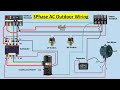 3 phase ac outdoor wire connection #splitac
 What is a Thermoelectric Cooler | How Peltier Module Works
 DOL motor control circuit - direct online circuit diagram / DOL starter connection
 Series and parallel circuits wiring | Bulb wiring diagram - Series VS Parallel
 air conditioner full service 🔌 #airconditioner #shorts #repair
 Simple led flasher circuit
 3 phase heater connection diagram | Heater Element 😃 विद्युत ज्ञान
 Brilliant idea 💡 How To Make Universal LED Tester - दिमाग लगाओ रुपया नही
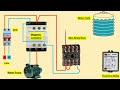 Float less relay switch wiring diagram | floatless relay wire connection
 All watts led bulb circuit #ledlights
 Forward reverse motor control wiring - Electrical Circuit Diagram / 3 phase motor.
 #electrical
 How to wire float switch with magnetic contactor - water level control switch
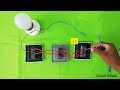 3 Switch and 1 bulb - Electrical wiring |
 How To Fix Soldering Stand #soldaring
 Top Loading washing machine PCB wire connection
 Water pump float switch connection | #floatswitch
 8 pin relay wiring diagram | relay base
 Mixer Grinder wiring with universal motor, rotary switch And overload relay / electrical technician
 Motor Doubt Push Buttons Switch #switch #pushbutton #electrical
