- Популярные видео
- Авто
- Видео-блоги
- ДТП, аварии
- Для маленьких
- Еда, напитки
- Животные
- Закон и право
- Знаменитости
- Игры
- Искусство
- Комедии
- Красота, мода
- Кулинария, рецепты
- Люди
- Мото
- Музыка
- Мультфильмы
- Наука, технологии
- Новости
- Образование
- Политика
- Праздники
- Приколы
- Природа
- Происшествия
- Путешествия
- Развлечения
- Ржач
- Семья
- Сериалы
- Спорт
- Стиль жизни
- ТВ передачи
- Танцы
- Технологии
- Товары
- Ужасы
- Фильмы
- Шоу-бизнес
- Юмор
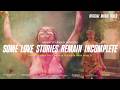
Piya Milan Ki Aas –An 800-Year-Old Longing | Baba Farid | Official Music Video | Sufi Love Song
This is the voice of a pain 800 years old.
A WOMAN, A CROW, AND TWO EYES SHE REFUSED TO GIVE UP.
Imagine a lady so broken by waiting that she says this:
"O crow, take my body... eat the flesh, scatter the bones, take everything.... but leave my eyes alone. Because I am still waiting to see the one I love."
That is not a line from a film... and not a poet being dramatic.
That is a real couplet, written 800 years ago by a Sufi saint named Baba Farid, who lived in Punjab and wrote in the Punjabi language. His words were considered so true that they were placed inside the Guru Granth Sahib, the sacred scripture of the Sikhs, where they still sit today. He said: “Kaaga karang dhadoliya, saglaa khaaiyo maas Aey do nainaan mat chhuchho, pir dekhan di aas.”
Karang means the skeletal frame or what remains after the body is spent. Dhadoliya means to peck apart and scatter. Saglaa means all of it... everything and leave nothing.
Rough meaning: "O crow, peck apart this carcass. Scatter every piece of flesh. But do not touch these two eyes. They are still waiting to see the beloved."
To understand why this is one of the most devastating lines ever written in any Indian language, you need to understand what the crow meant in this world.
THE BIRD AT THE THRESHOLD
He was not talking about death.... he was talking about love that refuses to end... even when everything else has.
In Indian tradition, the crow is the bird of the dead. It is Yama's messenger ... Yama being the god of death. It lives at the edge between the world of the living and the world of the dead.
When a family performs the ancestor ritual after someone passes, they place food outside and wait. The ritual is only complete when a crow comes and eats. Because the crow carries the offering to the other side. It is the messenger between the living and those who have left.
Baba Fareed knew this. So when he called the crow to his body, he was saying something very precise: I am already at that edge.... I am already letting go, take what belongs to death.
BUT THE EYES? The eyes belong to love.... and love is not finished yet.
The version you hear in this song... mohe piya milan ki aas, is how this couplet has been sung for centuries. It passed from Sufi shrines to wandering saints to folk singers across Punjab. The version you hear most often ... mohe piya milan ki aas, do naina mat khaaiyo ... is not the original Punjabi. It is a later adaptation, rendered in Braj Bhasha, a literary language closer to Hindi that was widely used across North India for devotional poetry. Softer vowels, more familiar grammar, and easier to sing.
This adapted version spread through qawwali performances at Sufi shrines. It travelled with wandering saints who carried no books, only memory. It moved through folk singers in Punjab and Rajasthan. It was sung at weddings, funerals, and festivals. By the time it reached Bollywood, it had already been traveling for centuries.
Each person who sang it borrowed the longing and passed it on.
That is how oral traditions survive. Not through preservation.... through use. Baba Farid wrote in the 13th century. His words have been in someone's mouth, in every century since, without interruption.
This song is one more link in that chain.
Piya milan ki aas ... the hope of meeting the beloved.
This is not only a sad song in the way we usually mean sad. It is something older. It is the sound of a person who has decided that the waiting itself is sacred. That longing, if it is deep enough, becomes its own kind of presence. That love which cannot reach its destination does not die. It simply changes form.
The crow can have the body... but the eyes stay open.
Just love, still waiting... still watching the door. This is the official emotional romantic music video of Piya Milan ki Aas.
Cast: Tanaya Bhattacharjee and Toton Samaddar
Conceived and Directed by: Chandrachur Basu
DOP: Manas Bhattacharyya
Edit and Effects: A.S. Kumar
Music: I, Naqabposh
Di and grading: Pobitra Pramanik
Makeup: Anwesha
Production Support: Abhishek Sinha ( Artographs)
#HindiSong #SadSong #BabaFarid #SufiMusic
Видео Piya Milan Ki Aas –An 800-Year-Old Longing | Baba Farid | Official Music Video | Sufi Love Song канала Mondo Stories
A WOMAN, A CROW, AND TWO EYES SHE REFUSED TO GIVE UP.
Imagine a lady so broken by waiting that she says this:
"O crow, take my body... eat the flesh, scatter the bones, take everything.... but leave my eyes alone. Because I am still waiting to see the one I love."
That is not a line from a film... and not a poet being dramatic.
That is a real couplet, written 800 years ago by a Sufi saint named Baba Farid, who lived in Punjab and wrote in the Punjabi language. His words were considered so true that they were placed inside the Guru Granth Sahib, the sacred scripture of the Sikhs, where they still sit today. He said: “Kaaga karang dhadoliya, saglaa khaaiyo maas Aey do nainaan mat chhuchho, pir dekhan di aas.”
Karang means the skeletal frame or what remains after the body is spent. Dhadoliya means to peck apart and scatter. Saglaa means all of it... everything and leave nothing.
Rough meaning: "O crow, peck apart this carcass. Scatter every piece of flesh. But do not touch these two eyes. They are still waiting to see the beloved."
To understand why this is one of the most devastating lines ever written in any Indian language, you need to understand what the crow meant in this world.
THE BIRD AT THE THRESHOLD
He was not talking about death.... he was talking about love that refuses to end... even when everything else has.
In Indian tradition, the crow is the bird of the dead. It is Yama's messenger ... Yama being the god of death. It lives at the edge between the world of the living and the world of the dead.
When a family performs the ancestor ritual after someone passes, they place food outside and wait. The ritual is only complete when a crow comes and eats. Because the crow carries the offering to the other side. It is the messenger between the living and those who have left.
Baba Fareed knew this. So when he called the crow to his body, he was saying something very precise: I am already at that edge.... I am already letting go, take what belongs to death.
BUT THE EYES? The eyes belong to love.... and love is not finished yet.
The version you hear in this song... mohe piya milan ki aas, is how this couplet has been sung for centuries. It passed from Sufi shrines to wandering saints to folk singers across Punjab. The version you hear most often ... mohe piya milan ki aas, do naina mat khaaiyo ... is not the original Punjabi. It is a later adaptation, rendered in Braj Bhasha, a literary language closer to Hindi that was widely used across North India for devotional poetry. Softer vowels, more familiar grammar, and easier to sing.
This adapted version spread through qawwali performances at Sufi shrines. It travelled with wandering saints who carried no books, only memory. It moved through folk singers in Punjab and Rajasthan. It was sung at weddings, funerals, and festivals. By the time it reached Bollywood, it had already been traveling for centuries.
Each person who sang it borrowed the longing and passed it on.
That is how oral traditions survive. Not through preservation.... through use. Baba Farid wrote in the 13th century. His words have been in someone's mouth, in every century since, without interruption.
This song is one more link in that chain.
Piya milan ki aas ... the hope of meeting the beloved.
This is not only a sad song in the way we usually mean sad. It is something older. It is the sound of a person who has decided that the waiting itself is sacred. That longing, if it is deep enough, becomes its own kind of presence. That love which cannot reach its destination does not die. It simply changes form.
The crow can have the body... but the eyes stay open.
Just love, still waiting... still watching the door. This is the official emotional romantic music video of Piya Milan ki Aas.
Cast: Tanaya Bhattacharjee and Toton Samaddar
Conceived and Directed by: Chandrachur Basu
DOP: Manas Bhattacharyya
Edit and Effects: A.S. Kumar
Music: I, Naqabposh
Di and grading: Pobitra Pramanik
Makeup: Anwesha
Production Support: Abhishek Sinha ( Artographs)
#HindiSong #SadSong #BabaFarid #SufiMusic
Видео Piya Milan Ki Aas –An 800-Year-Old Longing | Baba Farid | Official Music Video | Sufi Love Song канала Mondo Stories
Hindi sad song New Hindi song 2026 Emotional love song Hindi Heartbreak song Hindi Sad romantic song Love story song Hindi Dard bhara gana Sufi song Hindi Sufi love song 2026 Baba Farid song Qawwali vibes Hindi Sufi sad song Devotional love song Hindi Sufi poetry song Indian classical love song Piya milan ki aas Sufi Hindi music video 2026 Cultural Hindi song Guru Granth Sahib poetry music songs with meaning cultural history Canon C50
Комментарии отсутствуют
Информация о видео
18 ч. 50 мин. назад
00:00:39
Другие видео канала