- Популярные видео
- Авто
- Видео-блоги
- ДТП, аварии
- Для маленьких
- Еда, напитки
- Животные
- Закон и право
- Знаменитости
- Игры
- Искусство
- Комедии
- Красота, мода
- Кулинария, рецепты
- Люди
- Мото
- Музыка
- Мультфильмы
- Наука, технологии
- Новости
- Образование
- Политика
- Праздники
- Приколы
- Природа
- Происшествия
- Путешествия
- Развлечения
- Ржач
- Семья
- Сериалы
- Спорт
- Стиль жизни
- ТВ передачи
- Танцы
- Технологии
- Товары
- Ужасы
- Фильмы
- Шоу-бизнес
- Юмор
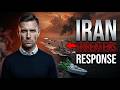
Why Iran's Military Survived the Biggest Strike Campaign Since WW2
The US and Israel launched the most intensive strike campaign since World War 2. Five weeks later, half of Iran's launch infrastructure is still operational. Thousands of drones remain secured underground. This is what forty years of asymmetric doctrine built — and what no intelligence report fully predicted.
In this episode, Force Index breaks down:
— Iran's dual military structure (Artesh vs IRGC)
— The Quds Force proxy architecture across four sovereign states
— Ballistic projectile inventory: Shahab-3, Kheibar Shekan, Fattah-1 hypersonic
— Shahed-136 drone economics: $20,000 vs $4,000,000 per intercept
— Strait of Hormuz naval doctrine and chokepoint strategy
— What the February 2026 campaign revealed about Iran's survival doctrine
00:00 February 2026 US-Israel Precision Strike Campaign
00:40 Iran's Operational Resilience After Five Weeks
01:29 IRGC Command Structure and Dual Military System
03:34 Quds Force Proxy Architecture Strategy
05:28 Ballistic Missile Arsenal and Hypersonic Capability
07:22 Attrition Economics: Shahab Drone Production Advantage
08:50 Naval Doctrine and Strait of Hormuz Control
The US and Israel launched the most intensive strike campaign since World War 2, leading to a significant middle east conflict. This episode details Iran's operational resilience and the strategic importance of the strait of hormuz. We also examine their ballistic missile arsenal and the broader implications for an iran us war and iran israel war.
Видео Why Iran's Military Survived the Biggest Strike Campaign Since WW2 канала BRIEFOX
In this episode, Force Index breaks down:
— Iran's dual military structure (Artesh vs IRGC)
— The Quds Force proxy architecture across four sovereign states
— Ballistic projectile inventory: Shahab-3, Kheibar Shekan, Fattah-1 hypersonic
— Shahed-136 drone economics: $20,000 vs $4,000,000 per intercept
— Strait of Hormuz naval doctrine and chokepoint strategy
— What the February 2026 campaign revealed about Iran's survival doctrine
00:00 February 2026 US-Israel Precision Strike Campaign
00:40 Iran's Operational Resilience After Five Weeks
01:29 IRGC Command Structure and Dual Military System
03:34 Quds Force Proxy Architecture Strategy
05:28 Ballistic Missile Arsenal and Hypersonic Capability
07:22 Attrition Economics: Shahab Drone Production Advantage
08:50 Naval Doctrine and Strait of Hormuz Control
The US and Israel launched the most intensive strike campaign since World War 2, leading to a significant middle east conflict. This episode details Iran's operational resilience and the strategic importance of the strait of hormuz. We also examine their ballistic missile arsenal and the broader implications for an iran us war and iran israel war.
Видео Why Iran's Military Survived the Biggest Strike Campaign Since WW2 канала BRIEFOX
Iran military power Ayatollah Khamenei IRGC military Iran ballistic missiles Shahed drone Iran war 2026 Operation Epic Fury Iran vs USA Iran military doctrine asymmetric warfare Strait of Hormuz Quds Force Iran drone arsenal Kheibar Shekan missile Iran Hezbollah Iran underground missiles missile cities Iran Iran IRGC structure force index military power analysis Iran survival doctrine iran us war ballistic missile strait of hormuz iran israel war
Комментарии отсутствуют
Информация о видео
23 апреля 2026 г. 1:45:00
00:09:15
Другие видео канала