
- Популярные видео
- Авто
- Видео-блоги
- ДТП, аварии
- Для маленьких
- Еда, напитки
- Животные
- Закон и право
- Знаменитости
- Игры
- Искусство
- Комедии
- Красота, мода
- Кулинария, рецепты
- Люди
- Мото
- Музыка
- Мультфильмы
- Наука, технологии
- Новости
- Образование
- Политика
- Праздники
- Приколы
- Природа
- Происшествия
- Путешествия
- Развлечения
- Ржач
- Семья
- Сериалы
- Спорт
- Стиль жизни
- ТВ передачи
- Танцы
- Технологии
- Товары
- Ужасы
- Фильмы
- Шоу-бизнес
- Юмор
Processed meat and cancer What you need to know
00:00:00
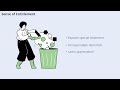
Processed meats are a staple in many diets, offering convenience and affordability. From bacon at breakfast to deli meats in lunchboxes and hot dogs at cookouts, these foods are woven into our routines. But behind their popularity lies a hidden risk: the methods used to preserve these meats—such as smoking, curing, salting, or adding chemical preservatives—can contribute to the development of cancer. Wellness dietitian Lindsey Wohlford emphasizes that while processed meats are easy to access and enjoy, the American Institute of Cancer Research recommends eating little, if any, processed meat. These foods are considered carcinogens, meaning they increase your cancer risk. In this video, we’ll explore what processed meat is, why it’s linked to cancer, and practical ways to reduce your intake for better health.
00:00:34
Processed meats are not just about taste and convenience—they contain chemicals that can harm your health. Heme, a pigment found in red meat, nitrates and nitrites used for preservation, heterocyclic amines produced during high-temperature cooking, and polycyclic aromatic hydrocarbons from smoking or grilling all play a role. These chemicals can damage cells in the colon and rectum, increasing the risk of colorectal cancer over time. Additionally, processed meats are high in saturated fat, salt, and additives, which can lead to weight gain. Maintaining a healthy body weight is crucial, as being overweight raises the risk for more than ten types of cancer. Understanding these risks helps us make more informed choices about what we eat and how we prepare our meals.
00:01:09
Reducing processed meat in your diet doesn’t have to be overwhelming. Start by keeping track of your eating habits with a food log, which can help you identify when and how often you consume processed meats. Read product labels carefully—look for words like nitrate, nitrite, cured, or salted, as these indicate processed meat. Even products labeled as 'nitrate-free' may still contain harmful substances. Choose fresh or frozen meats without additives, preservatives, seasoning, or breading. Consider going meatless for a day, such as 'Meatless Monday,' or try plant-based proteins like beans, legumes, and soy. Make healthy swaps in your meals: add vegetables to omelets instead of bacon, top salads with chicken or beans, and opt for whole fruit or nuts as snacks. By making these changes, you can lower your cancer risk and improve your overall health.
00:01:44
It’s important to understand the difference between processed and unprocessed meats. Processed meats include bacon, bratwurst, corned beef, deli meats, ham, hot dogs, jerky, lunch meats, pastrami, pepperoni, roast beef, salami, and sausage. These are preserved by smoking, curing, salting, or adding chemical preservatives, and even breaded or seasoned meats fall into this category. On the other hand, unprocessed options like beef, chicken, crab, duck, fish, game meat, goat, lamb, lobster, pork, scallops, shrimp, and turkey are better choices, especially when prepared without additives or high-temperature cooking methods. Being mindful of how you cook and what you buy can make a significant difference in your health journey.
Видео Processed meat and cancer What you need to know канала Modern Love Exposed
Processed meats are a staple in many diets, offering convenience and affordability. From bacon at breakfast to deli meats in lunchboxes and hot dogs at cookouts, these foods are woven into our routines. But behind their popularity lies a hidden risk: the methods used to preserve these meats—such as smoking, curing, salting, or adding chemical preservatives—can contribute to the development of cancer. Wellness dietitian Lindsey Wohlford emphasizes that while processed meats are easy to access and enjoy, the American Institute of Cancer Research recommends eating little, if any, processed meat. These foods are considered carcinogens, meaning they increase your cancer risk. In this video, we’ll explore what processed meat is, why it’s linked to cancer, and practical ways to reduce your intake for better health.
00:00:34
Processed meats are not just about taste and convenience—they contain chemicals that can harm your health. Heme, a pigment found in red meat, nitrates and nitrites used for preservation, heterocyclic amines produced during high-temperature cooking, and polycyclic aromatic hydrocarbons from smoking or grilling all play a role. These chemicals can damage cells in the colon and rectum, increasing the risk of colorectal cancer over time. Additionally, processed meats are high in saturated fat, salt, and additives, which can lead to weight gain. Maintaining a healthy body weight is crucial, as being overweight raises the risk for more than ten types of cancer. Understanding these risks helps us make more informed choices about what we eat and how we prepare our meals.
00:01:09
Reducing processed meat in your diet doesn’t have to be overwhelming. Start by keeping track of your eating habits with a food log, which can help you identify when and how often you consume processed meats. Read product labels carefully—look for words like nitrate, nitrite, cured, or salted, as these indicate processed meat. Even products labeled as 'nitrate-free' may still contain harmful substances. Choose fresh or frozen meats without additives, preservatives, seasoning, or breading. Consider going meatless for a day, such as 'Meatless Monday,' or try plant-based proteins like beans, legumes, and soy. Make healthy swaps in your meals: add vegetables to omelets instead of bacon, top salads with chicken or beans, and opt for whole fruit or nuts as snacks. By making these changes, you can lower your cancer risk and improve your overall health.
00:01:44
It’s important to understand the difference between processed and unprocessed meats. Processed meats include bacon, bratwurst, corned beef, deli meats, ham, hot dogs, jerky, lunch meats, pastrami, pepperoni, roast beef, salami, and sausage. These are preserved by smoking, curing, salting, or adding chemical preservatives, and even breaded or seasoned meats fall into this category. On the other hand, unprocessed options like beef, chicken, crab, duck, fish, game meat, goat, lamb, lobster, pork, scallops, shrimp, and turkey are better choices, especially when prepared without additives or high-temperature cooking methods. Being mindful of how you cook and what you buy can make a significant difference in your health journey.
Видео Processed meat and cancer What you need to know канала Modern Love Exposed
no contact rule no contact psychology what your ex feels no contact breakup psychology why ex comes back female psychology attraction male psychology attraction relationship psychology how to make ex miss you dating psychology #nocontactrule #breakuppsychology #relationshipadvice #datingpsychology #exback
Комментарии отсутствуют
Информация о видео
Вчера, 0:00:07
00:02:19
Другие видео канала
 The Addiction Women Can't Talk About
 Why God Keeps You Single While Others Marry
 If They Don’t Do This, They’re Not Into You
 The 11 Best Sources of Protein, According to Nutrition Experts
 The Love That Never Feels Like Love
 Why Chasing Women Kills Attraction
 Study Links Obesity Driven Fatty Acids to Breast Cancer, Warns Against High Fat Diets Like Keto
 Once You Understand This About Women, You’ll Never Get Played Again
 High fat diet speeds up breast cancer growth, study shows
 How Narcissistic Women End Relationships
 Why I Lost a Great Man Who Treated Me Right
 She Dumped a Nice Guy Because He Was Boring
 Gut microbes hijack cancer pathway in high fat diets
 Spot a Narcissist in 5 Seconds
 Narcissistic Wife 10 Behaviors
 High fat diets could lead to aggressive breast cancer
 Your Interests Don’t Make You Interesting
 It’s Almost Impossible to Keep a Woman Interested If You Text Like This
 If She Says This, She’s Cheating
 Princeton Researchers Identify New Links Between High Fat Diets and Aggressive Breast Cancer
