
- Популярные видео
- Авто
- Видео-блоги
- ДТП, аварии
- Для маленьких
- Еда, напитки
- Животные
- Закон и право
- Знаменитости
- Игры
- Искусство
- Комедии
- Красота, мода
- Кулинария, рецепты
- Люди
- Мото
- Музыка
- Мультфильмы
- Наука, технологии
- Новости
- Образование
- Политика
- Праздники
- Приколы
- Природа
- Происшествия
- Путешествия
- Развлечения
- Ржач
- Семья
- Сериалы
- Спорт
- Стиль жизни
- ТВ передачи
- Танцы
- Технологии
- Товары
- Ужасы
- Фильмы
- Шоу-бизнес
- Юмор
John 3.16 The Miniature Bible Video
Illuminating John 3:16: A Guide to the Seven Wonders of the Gospel
1. Introduction: The Gospel in a Nutshell
John 3:16 is arguably the most significant summary of the Christian faith. Often described by evangelist Billy Graham as a "miniature Bible" and widely recognized as the "Gospel in a nutshell," this single sentence encapsulates the entire narrative of Scripture. It outlines a divine rescue plan initiated by a Creator who does not merely observe humanity from a distance but actively intervenes to reconcile a flawed creation to Himself.
To help the new learner navigate the profound depths of this verse, we will utilize the "Seven Wonders" framework. This pedagogical structure allows us to break the verse into manageable insights, revealing the layers of God's character and His specific intentions for humanity. While the verse is easily memorized, its power is only fully realized when we carefully apprehend the weight of its structural blueprint.
--------------------------------------------------------------------------------
2. The Structural Blueprint: The Seven Wonders of the Verse
Developed by biblical commentator David Guzik, the "Seven Wonders" framework provides an immediate overview of how John 3:16 functions as a complete map of salvation.
The Wonder
The Scripture Fragment
The Core Insight
The Almighty Authority
"For God..."
The story originates with the eternal, all-powerful Creator and Sustainer of life.
The Mightiest Motive
"...so loved..."
God's primary driver is an active, demonstrated love, not a passive feeling.
The Widest Welcome
"...the world..."
This invitation is universal, extended to all regardless of background or failure.
The Greatest Gift
"...that He gave His only begotten Son..."
Love is proven through the ultimate sacrifice: God entering humanity to pay our debt.
The Easiest Escape
"...that whoever believes in Him..."
The rescue is accessed through a life-altering trust and a turning from sin.
The Divine Deliverance
"...should not perish..."
Trusting Christ saves us from the just consequences of the original rebellion against God.
The Priceless Possession
"...but have everlasting life."
The result is a secure, spiritual rebirth and a guaranteed eternal connection with God.
By examining these components individually, we begin to see how the heart of the Creator moves toward the heart of the individual.
--------------------------------------------------------------------------------
3. Phase 1: The Divine Source and Motive
The opening of the verse establishes the "Who," the "Why," and the "Who for." When we read "For God so loved the world," we are seeing the engine of the Gospel.
God’s Nature: Love is an active demonstration. The all-knowing Sustainer of life chooses to love the world as it is right now—flaws and all. He is not waiting for a future, "fixed" version of you before extending His heart.
The Meaning of "So": In the original language, "so" does not mean "so much" (as in a quantity of feeling). It means "in this way." It points forward to the specific, tangible action God took to prove His love.
The Scope of the World: This "Widest Welcome" intentionally removes all human barriers. The source context emphasizes that this includes everyone regardless of skin color, gender, age, language, or socioeconomic status. No one is excluded from the reach of this love.
This universal love is not a mere sentiment; it is a force that moves God to provide the specific sacrifice required for our rescue.
--------------------------------------------------------------------------------
4. Phase 2: The Greatest Gift and the Supreme Sacrifice
Biblical love is proven through action: "that He gave His only begotten Son." This phrase highlights the intersection of God's justice and His mercy.
The "Son of God" refers to Jesus, the second person of the Trinity (one God in three persons: Father, Son, and Holy Spirit). Jesus earned this title because He had no earthly father; He was sent by God the Father and born of a virgin to enter our realm in the flesh. He is "God wrapped in flesh."
This gift was necessary because of the debt of sin. As Charles Spurgeon noted, the power of this gift lies in the fact that Jesus suffered as man, not merely as God. Because He took on our likeness, He was able to stand in the place of the guilty. He did not simply erase the penalty of sin—which would violate God’s character of justice—but instead took the punishment upon Himself so that mercy could be legally and lovingly extended to us.
However, a gift of such magnitude must be personally received, leading us to the necessity of a human response.
--------------------------------------------------------------------------------
5. Phase 3: The Human Response—Trust vs. Knowledge
The "Easiest Escape" is found in the phrase "that whoever believes in Him." As John MacArthur notes, this call to believe is more than a suggestion; it is a command to repent—to turn away from our own path and toward God’s.
Видео John 3.16 The Miniature Bible Video канала The Bible and Eternity
1. Introduction: The Gospel in a Nutshell
John 3:16 is arguably the most significant summary of the Christian faith. Often described by evangelist Billy Graham as a "miniature Bible" and widely recognized as the "Gospel in a nutshell," this single sentence encapsulates the entire narrative of Scripture. It outlines a divine rescue plan initiated by a Creator who does not merely observe humanity from a distance but actively intervenes to reconcile a flawed creation to Himself.
To help the new learner navigate the profound depths of this verse, we will utilize the "Seven Wonders" framework. This pedagogical structure allows us to break the verse into manageable insights, revealing the layers of God's character and His specific intentions for humanity. While the verse is easily memorized, its power is only fully realized when we carefully apprehend the weight of its structural blueprint.
--------------------------------------------------------------------------------
2. The Structural Blueprint: The Seven Wonders of the Verse
Developed by biblical commentator David Guzik, the "Seven Wonders" framework provides an immediate overview of how John 3:16 functions as a complete map of salvation.
The Wonder
The Scripture Fragment
The Core Insight
The Almighty Authority
"For God..."
The story originates with the eternal, all-powerful Creator and Sustainer of life.
The Mightiest Motive
"...so loved..."
God's primary driver is an active, demonstrated love, not a passive feeling.
The Widest Welcome
"...the world..."
This invitation is universal, extended to all regardless of background or failure.
The Greatest Gift
"...that He gave His only begotten Son..."
Love is proven through the ultimate sacrifice: God entering humanity to pay our debt.
The Easiest Escape
"...that whoever believes in Him..."
The rescue is accessed through a life-altering trust and a turning from sin.
The Divine Deliverance
"...should not perish..."
Trusting Christ saves us from the just consequences of the original rebellion against God.
The Priceless Possession
"...but have everlasting life."
The result is a secure, spiritual rebirth and a guaranteed eternal connection with God.
By examining these components individually, we begin to see how the heart of the Creator moves toward the heart of the individual.
--------------------------------------------------------------------------------
3. Phase 1: The Divine Source and Motive
The opening of the verse establishes the "Who," the "Why," and the "Who for." When we read "For God so loved the world," we are seeing the engine of the Gospel.
God’s Nature: Love is an active demonstration. The all-knowing Sustainer of life chooses to love the world as it is right now—flaws and all. He is not waiting for a future, "fixed" version of you before extending His heart.
The Meaning of "So": In the original language, "so" does not mean "so much" (as in a quantity of feeling). It means "in this way." It points forward to the specific, tangible action God took to prove His love.
The Scope of the World: This "Widest Welcome" intentionally removes all human barriers. The source context emphasizes that this includes everyone regardless of skin color, gender, age, language, or socioeconomic status. No one is excluded from the reach of this love.
This universal love is not a mere sentiment; it is a force that moves God to provide the specific sacrifice required for our rescue.
--------------------------------------------------------------------------------
4. Phase 2: The Greatest Gift and the Supreme Sacrifice
Biblical love is proven through action: "that He gave His only begotten Son." This phrase highlights the intersection of God's justice and His mercy.
The "Son of God" refers to Jesus, the second person of the Trinity (one God in three persons: Father, Son, and Holy Spirit). Jesus earned this title because He had no earthly father; He was sent by God the Father and born of a virgin to enter our realm in the flesh. He is "God wrapped in flesh."
This gift was necessary because of the debt of sin. As Charles Spurgeon noted, the power of this gift lies in the fact that Jesus suffered as man, not merely as God. Because He took on our likeness, He was able to stand in the place of the guilty. He did not simply erase the penalty of sin—which would violate God’s character of justice—but instead took the punishment upon Himself so that mercy could be legally and lovingly extended to us.
However, a gift of such magnitude must be personally received, leading us to the necessity of a human response.
--------------------------------------------------------------------------------
5. Phase 3: The Human Response—Trust vs. Knowledge
The "Easiest Escape" is found in the phrase "that whoever believes in Him." As John MacArthur notes, this call to believe is more than a suggestion; it is a command to repent—to turn away from our own path and toward God’s.
Видео John 3.16 The Miniature Bible Video канала The Bible and Eternity
Комментарии отсутствуют
Информация о видео
Вчера, 21:16:16
00:08:41
Другие видео канала
 Crispy Battered Fish Granddaughters Approved - Our Best Way To Cook Fish
 Ken catching a clipped Salmon
 93 and blind Don lands a Chinook Salmon
 Fish On
 Halibut with Ken
 The first time salmon fishing and they caught 7 !!
 Paul’s Prison Secret The Real Meaning of I Can Do All Things- Philippians 4:13
 Cozumel Fishing Adventure
 Happy Dance Pink Fin Fishing
 Ling Cod Fishing on the Oregon Coast
 Umpqua Salmon Fishing Aug 28
 Tuna Fishing 55 Miles Off the Oregon Coast
 Tony catching a Salmon gets Sprocket excited
 Canning Fish on the Oregon Coast - Old School
 Family Salmon Fishing on the Oregon Coast
 Using the Electric Tuna Puller
 Boat called Scrap
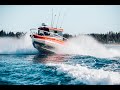 2250 StabiCraft Center-Cab is our favorite boat.
 Tall Ship Hawaiian Chieftain in Coos Bay Oregon
 Long reach with with Net to get Bev's salmon !! out of Winchester Bay
 The Big Pink Flasher
