
- Популярные видео
- Авто
- Видео-блоги
- ДТП, аварии
- Для маленьких
- Еда, напитки
- Животные
- Закон и право
- Знаменитости
- Игры
- Искусство
- Комедии
- Красота, мода
- Кулинария, рецепты
- Люди
- Мото
- Музыка
- Мультфильмы
- Наука, технологии
- Новости
- Образование
- Политика
- Праздники
- Приколы
- Природа
- Происшествия
- Путешествия
- Развлечения
- Ржач
- Семья
- Сериалы
- Спорт
- Стиль жизни
- ТВ передачи
- Танцы
- Технологии
- Товары
- Ужасы
- Фильмы
- Шоу-бизнес
- Юмор
ಫಲದಾನ ಈಗೀಗ ಕಣ್ಮರೆ ಆಗುತ್ತಿದೆ Seemantha Shasthra ದಲ್ಲಿ Pregnant Lady ಗೆ Blessings ಕೋರಿ Coconut & Fruit
The Seemant ceremony (also known as Seemantham, Godh Bharai, or Valaikaapu) is a traditional Hindu pre-natal rite of passage, often likened to a baby shower, performed during the 7th or 8th month of pregnancy to ensure the mental development of the fetus, safe delivery, and to bless the mother-to-be with health and happiness.
Key Aspects of Seemant Ceremony:
Purpose: The ceremony is designed to create a happy, relaxed environment for the mother, believing that her mental state directly influences the baby’s development. It is a prayer for a healthy, intelligent child.
Significance: It is one of the Shodasha Sanskaras (16 rituals) intended for the "mental development of the fetus".
Timing: Usually held in the 7th or 8th month of pregnancy, considered the safest and most auspicious time.
Rituals:
Blessings: Elders and relatives bless the expectant mother, often gifting her clothes, gold, or bangles.
Adornment: The mother is dressed in new clothes, adorned with flowers, and traditional jewelry.
Bangles: Glass bangles (typically red and green) are put on her, as the sound is believed to stimulate the fetus's attention.
Food: The mother's food cravings are satisfied, and special, nutritious, or favorite foods are prepared.
Prayers: Sometimes, Vedic chants like the Garbha Raksha Stotram are recited for protection.
Regional Names:
Maharashtra/Gujarat: Seemant or Dohale Jevan.
South India: Seemantham.
North India: Godh Bharai.
Significance of the Name:
Seemant refers to the brain or the parting of hair, while Utnayan implies development. It literally represents the development of the brain/mind of the fetus.
Seemantha is also called as bhayake in Tulu language. Mostcultures in the world over, have ceremonies/celebrations before a baby is born.Mostly, all over the world these are celebrated in the 7th month of pregnancy (Usually the odd numbered months-7th or 9th for good luck-but the 9th month might be too late).There are many different ways of celebrations but the universal essence is to make the Mom-to-be feel happy, special and even pamper her and showering her, baby and not to forget the father-to-be with love and blessings. The common theme is to bless expecting mom and pray for the well being of the mother and the baby. Here though I mentioned about different ways of celebrations in different parts, I am emphasizing more importance to Tuluva style Bayake celebration.
Bayake is held when the woman is in her 5th or 7th or 9th months of pregnancy, usually the odd numbered months are chosen for good luck – but the 9th month might be too late. So, the celebration is usually held at the seventh month to welcome the new member to the family and to bless the expectant mother with the joys of motherhood.
Courtesy:- Google, Quora and Wikipedia
Here, showing a good moment of Seemantha of Mithun Adiga's Wife, Mr Adiga is the Priest of Saligrama Gurunarasimha Temple.
Watch Videos of Chandrashekhara Navada, @kcnavada.com
Видео ಫಲದಾನ ಈಗೀಗ ಕಣ್ಮರೆ ಆಗುತ್ತಿದೆ Seemantha Shasthra ದಲ್ಲಿ Pregnant Lady ಗೆ Blessings ಕೋರಿ Coconut & Fruit канала Chandrashekara Navada
Key Aspects of Seemant Ceremony:
Purpose: The ceremony is designed to create a happy, relaxed environment for the mother, believing that her mental state directly influences the baby’s development. It is a prayer for a healthy, intelligent child.
Significance: It is one of the Shodasha Sanskaras (16 rituals) intended for the "mental development of the fetus".
Timing: Usually held in the 7th or 8th month of pregnancy, considered the safest and most auspicious time.
Rituals:
Blessings: Elders and relatives bless the expectant mother, often gifting her clothes, gold, or bangles.
Adornment: The mother is dressed in new clothes, adorned with flowers, and traditional jewelry.
Bangles: Glass bangles (typically red and green) are put on her, as the sound is believed to stimulate the fetus's attention.
Food: The mother's food cravings are satisfied, and special, nutritious, or favorite foods are prepared.
Prayers: Sometimes, Vedic chants like the Garbha Raksha Stotram are recited for protection.
Regional Names:
Maharashtra/Gujarat: Seemant or Dohale Jevan.
South India: Seemantham.
North India: Godh Bharai.
Significance of the Name:
Seemant refers to the brain or the parting of hair, while Utnayan implies development. It literally represents the development of the brain/mind of the fetus.
Seemantha is also called as bhayake in Tulu language. Mostcultures in the world over, have ceremonies/celebrations before a baby is born.Mostly, all over the world these are celebrated in the 7th month of pregnancy (Usually the odd numbered months-7th or 9th for good luck-but the 9th month might be too late).There are many different ways of celebrations but the universal essence is to make the Mom-to-be feel happy, special and even pamper her and showering her, baby and not to forget the father-to-be with love and blessings. The common theme is to bless expecting mom and pray for the well being of the mother and the baby. Here though I mentioned about different ways of celebrations in different parts, I am emphasizing more importance to Tuluva style Bayake celebration.
Bayake is held when the woman is in her 5th or 7th or 9th months of pregnancy, usually the odd numbered months are chosen for good luck – but the 9th month might be too late. So, the celebration is usually held at the seventh month to welcome the new member to the family and to bless the expectant mother with the joys of motherhood.
Courtesy:- Google, Quora and Wikipedia
Here, showing a good moment of Seemantha of Mithun Adiga's Wife, Mr Adiga is the Priest of Saligrama Gurunarasimha Temple.
Watch Videos of Chandrashekhara Navada, @kcnavada.com
Видео ಫಲದಾನ ಈಗೀಗ ಕಣ್ಮರೆ ಆಗುತ್ತಿದೆ Seemantha Shasthra ದಲ್ಲಿ Pregnant Lady ಗೆ Blessings ಕೋರಿ Coconut & Fruit канала Chandrashekara Navada
Комментарии отсутствуют
Информация о видео
12 мая 2026 г. 14:05:24
00:00:06
Другие видео канала
 ಇಂತಹ Dance ಗಳನ್ನು ಮತ್ತೆ, ಮತ್ತೆ ನೋಡ ಬೇಕೆನಿಸುತ್ತದೆ Janapada Siri Programme in Kodi Kanyana village
 ವಾದ್ಯ ಬಿಟ್ಟು ಕೈಯಲ್ಲೇ ತಾಳ! Ganga Sasidharan Violin Concert; ಪಕ್ಕವಾದ್ಯದವರ Style ನೋಡಿ Gandhi ಆಸ್ಪತ್ರೆ
 ಹೆಸರಲ್ಲೇ ಅಧಿಕಾರ ಇರುವ ಅಧಿಕಾರಿಗೆ ಸನ್ಮಾನ Lady Panchayat Officer felicitated by Rotary Club Brahmavara
 ಆಹಾ! ಪಕ್ಕ ವಾದ್ಯ ದವರು ಗೋಣು ಅಲ್ಲಾಡಿಸುವುದೇ ಚೆಂದ! Ganga Sasidharan Violin Concert; Gandhi Hospital Udupi
 Child Artist ಯಾರಿಗೂ ನಾ ಕಡಿಮೆ ಇಲ್ಲ ಎಂದು ತೋರಿಸುತ್ತಿದ್ದಾಳೆ Ganga Sasidharan Violin Concert in Udupi
 ಇವರ ಈ Style; I like it, I like it ಘಟ ವಾದನ in Ganga Sasidharan Violin Concert; Gandhi Hospital Udupi
 ನಿಮಗೆ Jealous ಆಗುತ್ತಿದೆ ಎಂದರೆ ಅವಳು ನಿಜವಾಗಿ ಚೆನ್ನಾಗಿ Perform ಮಾಡುತ್ತಿದ್ದಾಳೆ! Ganga Sasidharan Violin
 ಅಮ್ಮನ ಜೊತೆ Udupi MP Kota Srinivasa Poojary; Mother Day Special Video
 Famous Child Artist Third Time to Udupi ಗಂಗಾ ಶಶಿಧರನ್ Violin Concert sponsored by Gandhi Hospital
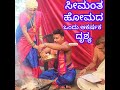 ಸೀಮಂತ ಹೋಮ ದಲ್ಲೊಂದು Attractive Scene ಸಾಲಿಗ್ರಾಮ Gurunarasimha Temple ನ ಅರ್ಚಕರ Pregnant ಸೊಸೆಯ Seemantha
 ಇಬ್ಬರೂ ಅಪ್ರತಿಮ ಸಾಧಕಿಯರು First one is Veena, other Violin ಸುಮಂಗಲ ವೀಣಾ ಸಾಧಕಿ, Ganga Sasidharan Violin
 ಬಳೆ ತೊಡಿಸಿ ಕೊಳ್ಳುವ ಆ ಸಂಭ್ರಮ ಇಲ್ಲಿ ಪುನಹ ಪ್ರತ್ಯಕ್ಷವಾಗಿದೆ Seemantha in Home of Archak of Gurunarasimha
 ತಾಜಾ, ತಾಜಾ ಕಬ್ಬಿನ Juice; ಉಪಾಧ್ಯರ Idea ನೋಡಿ Marriages, Upanayana, Public Functions ಗಳಿಗೆ ಬಂದು Service
 ರೋಚಕ ಕ್ಷಣ Seemantha for Pregnant Women; A typical Celebration in Coastal Karnataka / Udupi District
 ಇಂತಹ ಪುಟಾಣಿಗಳ ಕಾರ್ಯಕ್ರಮ Sponsor ಮಾಡುವ Hospital ಎಷ್ಟಿವೆ?
 ಬಸುರಿಗೆ ಬಳೆ ತೊಡಿಸುತ್ತಿದ್ದಾರೆ Seemantha ಶಾಸ್ತ್ರ; ಸೊಸೆ Saligrama Gurunarasimha Temple Archak Mr Adiga
 ಸರ್ವಾಲಂಕೃತ Happy Lady (Pregnant) ಸೀಮಂತದ ಖುಷಿಯಲ್ಲಿ; ಒಂದು ಹೆಣ್ಣಿನ ಜೀವನದ Great Moment
 Hospital Canteen ಗಳಲ್ಲೇ ಈ ಗಲೀಜು ಇದೆ Sambar, Rasam, Coffee, Tea, Rice, Palya all in Plastic Bags
 ನಗುಮೊಗದ ಈ Great Lady ಯಾರು ಗೊತ್ತಾ? Gandhi Hospital ನ 31st Anniversary Day Function ಗೆ ಬಂದ Udupi DC
 ಪಂಚಾಯತ್ Member ಹಂತ ಹಂತವಾಗಿ ಬೆಳೆದು ಈಗ ಸಂಸದ, ಅದೇ Beauty of Democracy; ಅವರೇ MP Kota Srinivasa Poojary
