
- Популярные видео
- Авто
- Видео-блоги
- ДТП, аварии
- Для маленьких
- Еда, напитки
- Животные
- Закон и право
- Знаменитости
- Игры
- Искусство
- Комедии
- Красота, мода
- Кулинария, рецепты
- Люди
- Мото
- Музыка
- Мультфильмы
- Наука, технологии
- Новости
- Образование
- Политика
- Праздники
- Приколы
- Природа
- Происшествия
- Путешествия
- Развлечения
- Ржач
- Семья
- Сериалы
- Спорт
- Стиль жизни
- ТВ передачи
- Танцы
- Технологии
- Товары
- Ужасы
- Фильмы
- Шоу-бизнес
- Юмор
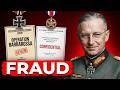
Why Did Manstein Refuse to Join the Plot to Kill Hitler?
This video takes that moment apart with the documents.
The Prussian honor explanation of Manstein's refusal is not a finding of historical research. It is a postwar product, manufactured between 1945 and 1958 by Manstein himself, by his defense counsel Reginald Paget, by Liddell Hart, and by a Cold War political environment that needed a usable past for the founding of the West German army. Strip the apparatus away, and what the documents support is something far more uncomfortable: a refusal over-determined by oath, by career calculation, by ideological proximity to the war in the East, by personal ambition for higher command under Hitler, and by the structural protection of a paper trail that ran through the Crimea, through Einsatzgruppe D, and through Manstein's own signature on the order of November 20, 1941.
We walk through the three documented approaches by the conspirators (Tresckow at Army Group Don in November 1942, Stauffenberg at Taganrog in January 1943, Gersdorff in early 1943), the contemporary verdicts of the resisters themselves (Tresckow: "the most brilliant brain of the General Staff, but no backbone"), the Eleventh Army criminal-orders trail in the Bundesarchiv, the Simferopol massacre of December 1941, the Hamburg trial verdict of 1949, the Manstein Fund and Churchill's contribution, and the Bundeswehr honor guard at his funeral in 1973.
This is not the Manstein of Lost Victories. This is the Manstein of the war diary.
KEY HISTORIANS CITED IN THIS VIDEO:
Oliver von Wrochem, Erich von Manstein. Vernichtungskrieg und Geschichtspolitik (2006)
Marcel Stein, Field Marshal von Manstein. A Portrait. The Janus Head (2007)
Mungo Melvin, Manstein. Hitler's Greatest General (2010)
Johannes Hürter, Hitlers Heerführer (2006)
Christian Hartmann, Wehrmacht im Ostkrieg (2009)
Wolfram Wette, The Wehrmacht. History, Myth, Reality (2002 / 2006)
Peter Hoffmann, History of the German Resistance 1933 to 1945 (3rd ed.)
Peter Hoffmann, Stauffenberg. A Family History of Self-Assassination (2003)
Joachim Fest, Plotting Hitler's Death (1996)
Geoffrey Megargee, Inside Hitler's High Command (2000)
Andrej Angrick, Besatzungspolitik und Massenmord. Die Einsatzgruppe D (2003)
Christian Streit, Keine Kameraden (1978)
Raul Hilberg, The Destruction of the European Jews
John Mearsheimer, Liddell Hart and the Weight of History (1988)
Ronald Smelser and Edward J. Davies, The Myth of the Eastern Front (2008)
Robert Citino, The Wehrmacht's Last Stand (2017)
David Glantz, From the Don to the Dnepr (1991)
PRIMARY SOURCES REFERENCED:
Erich von Manstein, Verlorene Siege (1955) / Lost Victories (1958)
Eleventh Army war diary, Bundesarchiv-Militärarchiv Freiburg, RH 20-11
Order of November 20, 1941, "Verhalten der Truppe im Ostraum," Nuremberg document NOKW-1692
AOK 11 Befehl Nr. 24, September 29, 1941
Otto Ohlendorf testimony, International Military Tribunal, January 3, 1946
Hamburg trial records, UK National Archives, WO 235/586 to 595
Fabian von Schlabrendorff, Offiziere gegen Hitler (1946)
Alexander Stahlberg, Die verdammte Pflicht / Bounden Duty (1987)
Rudolf-Christoph von Gersdorff, Soldat im Untergang (1977)
Liddell Hart Papers, King's College London, LH 1/494
Видео Why Did Manstein Refuse to Join the Plot to Kill Hitler? канала German High Command
The Prussian honor explanation of Manstein's refusal is not a finding of historical research. It is a postwar product, manufactured between 1945 and 1958 by Manstein himself, by his defense counsel Reginald Paget, by Liddell Hart, and by a Cold War political environment that needed a usable past for the founding of the West German army. Strip the apparatus away, and what the documents support is something far more uncomfortable: a refusal over-determined by oath, by career calculation, by ideological proximity to the war in the East, by personal ambition for higher command under Hitler, and by the structural protection of a paper trail that ran through the Crimea, through Einsatzgruppe D, and through Manstein's own signature on the order of November 20, 1941.
We walk through the three documented approaches by the conspirators (Tresckow at Army Group Don in November 1942, Stauffenberg at Taganrog in January 1943, Gersdorff in early 1943), the contemporary verdicts of the resisters themselves (Tresckow: "the most brilliant brain of the General Staff, but no backbone"), the Eleventh Army criminal-orders trail in the Bundesarchiv, the Simferopol massacre of December 1941, the Hamburg trial verdict of 1949, the Manstein Fund and Churchill's contribution, and the Bundeswehr honor guard at his funeral in 1973.
This is not the Manstein of Lost Victories. This is the Manstein of the war diary.
KEY HISTORIANS CITED IN THIS VIDEO:
Oliver von Wrochem, Erich von Manstein. Vernichtungskrieg und Geschichtspolitik (2006)
Marcel Stein, Field Marshal von Manstein. A Portrait. The Janus Head (2007)
Mungo Melvin, Manstein. Hitler's Greatest General (2010)
Johannes Hürter, Hitlers Heerführer (2006)
Christian Hartmann, Wehrmacht im Ostkrieg (2009)
Wolfram Wette, The Wehrmacht. History, Myth, Reality (2002 / 2006)
Peter Hoffmann, History of the German Resistance 1933 to 1945 (3rd ed.)
Peter Hoffmann, Stauffenberg. A Family History of Self-Assassination (2003)
Joachim Fest, Plotting Hitler's Death (1996)
Geoffrey Megargee, Inside Hitler's High Command (2000)
Andrej Angrick, Besatzungspolitik und Massenmord. Die Einsatzgruppe D (2003)
Christian Streit, Keine Kameraden (1978)
Raul Hilberg, The Destruction of the European Jews
John Mearsheimer, Liddell Hart and the Weight of History (1988)
Ronald Smelser and Edward J. Davies, The Myth of the Eastern Front (2008)
Robert Citino, The Wehrmacht's Last Stand (2017)
David Glantz, From the Don to the Dnepr (1991)
PRIMARY SOURCES REFERENCED:
Erich von Manstein, Verlorene Siege (1955) / Lost Victories (1958)
Eleventh Army war diary, Bundesarchiv-Militärarchiv Freiburg, RH 20-11
Order of November 20, 1941, "Verhalten der Truppe im Ostraum," Nuremberg document NOKW-1692
AOK 11 Befehl Nr. 24, September 29, 1941
Otto Ohlendorf testimony, International Military Tribunal, January 3, 1946
Hamburg trial records, UK National Archives, WO 235/586 to 595
Fabian von Schlabrendorff, Offiziere gegen Hitler (1946)
Alexander Stahlberg, Die verdammte Pflicht / Bounden Duty (1987)
Rudolf-Christoph von Gersdorff, Soldat im Untergang (1977)
Liddell Hart Papers, King's College London, LH 1/494
Видео Why Did Manstein Refuse to Join the Plot to Kill Hitler? канала German High Command
Комментарии отсутствуют
Информация о видео
26 апреля 2026 г. 19:01:29
00:31:21
Другие видео канала
 Why Allied Generals 'Demanded' This German Staff Car As Personal War Trophies
 Rommel's Desert Fox Reputation Was Actually Built on British Propaganda.
 Why This 'Crude' German Gun Made D-Day Sergeants Order Men to Stay in the Water
 Why Rommel Disobeyed Hitler's Victory or Death Order, and Saved 30,000 Men
 They Sent Rommel to Hold a Defensive Line, He Launched an Offensive That Shocked the World
 Why Germany 'Strapped' Fighters on Top of Bombers Filled With Explosives?
 Germany Built a Gun That Could Shoot Around Corners, And It Actually Worked
 The General Nobody Promoted – Why Hitler Finally Gave Manstein an Army Group
 Why GIs Called This German Weapon a 'Cheap Copy' (They Were Wrong)
 Why This Tiny German 'Robot Tank' Terrified Allied Soldiers On D-Day
 How Rommel and Kesselring Fought Each Other More Than They Fought the Allies
 Why This 'Obsolete' German Rifle Killed More Allied Soldiers Than Any Other Weapon
 Why Did Kesselring Defend Italy When Every General Told Hitler to Abandon It?
 Why American Officers 'Killed Each Other' To Own This German Pistol
 Rommel vs. Rundstedt: The Argument That Lost Normandy
 Why Winston Churchill Carried This German Pistol Into Battle
 He Held the Eastern Front Together for Two Years. Nobody Knows His Name.
 The Best Panzer Commander of WW2 Wasn't Rommel or Guderian
 Why Germany's 'Ultimate' Supergun Fired Just 47 Shots in the Entire War
 Why Did Guderian Stop His Panzers When Paris Was Undefended?
 The US Army Hired a German General to Write History. He Rewrote It Instead.
