
- Популярные видео
- Авто
- Видео-блоги
- ДТП, аварии
- Для маленьких
- Еда, напитки
- Животные
- Закон и право
- Знаменитости
- Игры
- Искусство
- Комедии
- Красота, мода
- Кулинария, рецепты
- Люди
- Мото
- Музыка
- Мультфильмы
- Наука, технологии
- Новости
- Образование
- Политика
- Праздники
- Приколы
- Природа
- Происшествия
- Путешествия
- Развлечения
- Ржач
- Семья
- Сериалы
- Спорт
- Стиль жизни
- ТВ передачи
- Танцы
- Технологии
- Товары
- Ужасы
- Фильмы
- Шоу-бизнес
- Юмор
Sql Data Analyst Interview Questions | Power BI #sql
SQL Important Topics for Data Analyst/Power BI Interviews. By Srinivas Reddy Excel Telugu Videos.
Basic SQL Concepts:
1. Data Types: Understanding SQL Server-specific data types like INT, VARCHAR, DATETIME, etc.
2. Basic SQL Syntax: Familiarity with the SQL Server-specific syntax for basic commands.
Data Manipulation:
3. SELECT Statements: Writing queries to retrieve data.
4. WHERE Clause: Filtering data with specific conditions.
5. JOINs: Understanding INNER JOIN, LEFT JOIN, RIGHT JOIN, and FULL JOIN for combining data from multiple tables.
6. GROUP BY: Aggregating data based on one or more columns.
7. HAVING Clause: Filtering groups of data.
8. ORDER BY: Sorting query results.
9. TOP: Limiting the number of rows returned in a result set.
Advanced SQL Queries:
10. Subqueries: Writing and understanding nested queries.
11. Common Table Expressions (CTEs): Using CTEs for recursive queries and better readability.
12. Window Functions: Using functions like ROW_NUMBER(), RANK(), DENSE_RANK(), and NTILE() for advanced data analysis.
13. Pivoting and Unpivoting: Converting rows to columns and vice versa for better data analysis and reporting.
14. Set Operators: Understanding UNION, INTERSECT, and EXCEPT.
Performance Tuning:
15. Indexes: Creating and managing indexes to improve query performance.
16. Execution Plans: Analyzing and understanding query execution plans to optimize performance.
17. Query Optimization: Writing efficient queries to reduce execution time and resource consumption.
Data Definition:
18. CREATE, ALTER, DROP: Managing database objects like tables, views, stored procedures, and functions.
19. Constraints: Understanding and using constraints like PRIMARY KEY, FOREIGN KEY, UNIQUE, NOT NULL, and CHECK.
20. Transactions: Using transactions to ensure data integrity with BEGIN TRANSACTION, COMMIT, and ROLLBACK.
Security and Permissions:
21. User Management: Creating and managing users and roles.
22. Permissions: Granting and revoking permissions on database objects.
Advanced Features:
23. Stored Procedures: Writing and using stored procedures for reusable SQL code.
24. Functions: Creating user-defined functions for reusable code blocks.
25. Triggers: Using triggers to automate tasks based on specific database events.
Tools and Utilities:
26. SQL Server Management Studio (SSMS): Using SSMS for database management and query execution.
27. SQL Server Integration Services (SSIS): Understanding the basics of SSIS for data integration and ETL processes.
Best Practices:
28. Naming Conventions: Using consistent naming conventions for database objects.
29. Documentation: Documenting queries and database schema for better maintainability.
30. Backup and Recovery: Understanding backup and recovery options to protect data.
#sql #excel #shorts #telugu #excelteluguvideos #mysql #sqltelugu #interview
Please Follow us on Instagram: https://www.instagram.com/EXCELTELUGUVIDEOS/
Telegram: https://t.me/EXCELTELUGUVIDEOS
Видео Sql Data Analyst Interview Questions | Power BI #sql канала EXCEL TELUGU VIDEOS
Basic SQL Concepts:
1. Data Types: Understanding SQL Server-specific data types like INT, VARCHAR, DATETIME, etc.
2. Basic SQL Syntax: Familiarity with the SQL Server-specific syntax for basic commands.
Data Manipulation:
3. SELECT Statements: Writing queries to retrieve data.
4. WHERE Clause: Filtering data with specific conditions.
5. JOINs: Understanding INNER JOIN, LEFT JOIN, RIGHT JOIN, and FULL JOIN for combining data from multiple tables.
6. GROUP BY: Aggregating data based on one or more columns.
7. HAVING Clause: Filtering groups of data.
8. ORDER BY: Sorting query results.
9. TOP: Limiting the number of rows returned in a result set.
Advanced SQL Queries:
10. Subqueries: Writing and understanding nested queries.
11. Common Table Expressions (CTEs): Using CTEs for recursive queries and better readability.
12. Window Functions: Using functions like ROW_NUMBER(), RANK(), DENSE_RANK(), and NTILE() for advanced data analysis.
13. Pivoting and Unpivoting: Converting rows to columns and vice versa for better data analysis and reporting.
14. Set Operators: Understanding UNION, INTERSECT, and EXCEPT.
Performance Tuning:
15. Indexes: Creating and managing indexes to improve query performance.
16. Execution Plans: Analyzing and understanding query execution plans to optimize performance.
17. Query Optimization: Writing efficient queries to reduce execution time and resource consumption.
Data Definition:
18. CREATE, ALTER, DROP: Managing database objects like tables, views, stored procedures, and functions.
19. Constraints: Understanding and using constraints like PRIMARY KEY, FOREIGN KEY, UNIQUE, NOT NULL, and CHECK.
20. Transactions: Using transactions to ensure data integrity with BEGIN TRANSACTION, COMMIT, and ROLLBACK.
Security and Permissions:
21. User Management: Creating and managing users and roles.
22. Permissions: Granting and revoking permissions on database objects.
Advanced Features:
23. Stored Procedures: Writing and using stored procedures for reusable SQL code.
24. Functions: Creating user-defined functions for reusable code blocks.
25. Triggers: Using triggers to automate tasks based on specific database events.
Tools and Utilities:
26. SQL Server Management Studio (SSMS): Using SSMS for database management and query execution.
27. SQL Server Integration Services (SSIS): Understanding the basics of SSIS for data integration and ETL processes.
Best Practices:
28. Naming Conventions: Using consistent naming conventions for database objects.
29. Documentation: Documenting queries and database schema for better maintainability.
30. Backup and Recovery: Understanding backup and recovery options to protect data.
#sql #excel #shorts #telugu #excelteluguvideos #mysql #sqltelugu #interview
Please Follow us on Instagram: https://www.instagram.com/EXCELTELUGUVIDEOS/
Telegram: https://t.me/EXCELTELUGUVIDEOS
Видео Sql Data Analyst Interview Questions | Power BI #sql канала EXCEL TELUGU VIDEOS
Sql Data Analyst Interview Questions sql interview questions sql Excel Telugu Videos srinivas reddy excel videos excel tips excel interview questions sql in telugu MS Excel telugu tutorial excel in telugu shorts sql shorts sql interview questions for freshers excel sql telugu excel telugu telugu xl telugu my sql sql server sql queries python in telugu python sql for beginners interview questions and answers what is sql sql complete course leetcode
Комментарии отсутствуют
Информация о видео
26 июля 2024 г. 21:22:02
00:00:06
Другие видео канала
 SQL Challenge Day #31 In Telugu | Interview Question తెలుగులో #sql
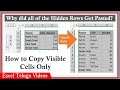 How to Copy Visible Cells only in Excel || MS Excel in Telugu
 Excel Power Pivot Tutorial తెలుగులో | Excel Telugu Tutorial
 Pie and Doughnut Charts in Excel 2019
 SQL Magic Trick: Adventure Works Database in SQL Server #shorts #sql
 POWER BI ఎలా నేర్చుకోవాలి? | How to Learn Power BI తెలుగులో
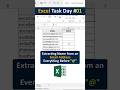 Excel Task Day #01 In Telugu | How to Extract Name #excel
 SQL Challenge Day #29 తెలుగులో | SQL Interview Question #sql #telugu
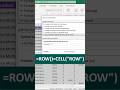 Excel Magic Trick: Highlight the Selected Row #excel
 Power BI Class Day #16 తెలుగులో | Power BI Telugu Tutorial #powerbi
 SQL NOT NULL Constraint with Example (Telugu) | SQL for Beginners
 Hide and Restore Titles in Excel || Excel Telugu Videos
 SQL Full Course for Beginners in Telugu | SQL Server Data Types
 SQL Challenge Day #19 In Telugu | SQL In Telugu #sql
 SQL Interview Question: Delete vs Truncate vs Drop
 POWER BI New Update | DAX in Model View
 How to Save Excel Macro(VBA) Workbook || MS Excel for Beginners
 How to Activate Excel Power Pivot In Telugu | Excel Telugu Tutorial #excel
 Excel Power Query Editor Complete Tutorial | Power BI #excel
 What is Power Automate | Introduction in Telugu | Automate Emails
 Excel Complete Match Function || Excel Telugu Videos
