
- Популярные видео
- Авто
- Видео-блоги
- ДТП, аварии
- Для маленьких
- Еда, напитки
- Животные
- Закон и право
- Знаменитости
- Игры
- Искусство
- Комедии
- Красота, мода
- Кулинария, рецепты
- Люди
- Мото
- Музыка
- Мультфильмы
- Наука, технологии
- Новости
- Образование
- Политика
- Праздники
- Приколы
- Природа
- Происшествия
- Путешествия
- Развлечения
- Ржач
- Семья
- Сериалы
- Спорт
- Стиль жизни
- ТВ передачи
- Танцы
- Технологии
- Товары
- Ужасы
- Фильмы
- Шоу-бизнес
- Юмор
The Buyer's Guide AI Agent Authorization | 5 Criteria That Separate Real Enforcement from Detection
Most "AI agent security" tools you'll evaluate this quarter cannot stop an agent from doing something it shouldn't. They can tell you it happened. The distance between those two sentences is your entire buying decision — and the vendor landscape is organized to keep it blurry.
This is a buyer's guide, not a pitch. If you're a security leader running a comparison right now, this gives you five criteria that survive contact with a real deployment — the questions that make a polished demo fall apart in the right way, before you've signed anything.
━━━━━━━━━━━━━━━━━━━━━
THE ONE TEST THAT DECODES ANY VENDOR
When a denied action hits your AI agent: does the action fail, or does it succeed and generate an alert?
That's it. That's the line between enforcement and detection. Everything else in the demo is theater around that single question. Most tools answer the second way and are marketed as the first. Watch what happens to the room when you ask it directly.
━━━━━━━━━━━━━━━━━━━━━
THE 5 CRITERIA
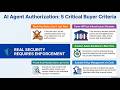
1 — Enforcement, not detection. Is the unauthorized action evaluated against policy before it executes and blocked if denied — or does it complete while you get notified afterward? Detection is a legitimate category. It is not authorization. Don't pay for one believing you bought the other.
2 — All four domains, enforced — not three plus a roadmap. Applications, infrastructure, data, and AI workloads. A gap in any one domain is a bypass for all of them. "Coverage" on a slide and enforcement in production are different words for a reason. Ask which domains are GA today.
3 — Runtime context, not deployment-time configuration. Does the decision reflect what's true at the moment of the request — current task, risk, data classification, jurisdiction — or what was true when someone wrote the policy six months ago? Static permissions age into liabilities.
4 — A provable basis for every decision. For any agent action last Tuesday, can the vendor produce the exact policy, the inputs, and the policy version that authorized it? If the answer involves "we'd have to reconstruct that," you don't have an audit trail. You have logs.
5 — Architected for AI agents — not application-era authz retrofitted. Most tools answer this problem from the shape of an adjacent category they already sold you: identity governance, runtime security, or AI guardrails. Each is real. None was built for per-action, context-aware authorization of autonomous non-human identities.
━━━━━━━━━━━━━━━━━━━━━
WHY MOST TOOLS FAIL THIS — AND IT'S NOT INCOMPETENCE
Identity governance vendors did identity right. Runtime security vendors did runtime right. The problem is that authentication answers who, and the regulator — and your board — is asking what, and on what authority. A clean authentication story plus periodic access reviews cannot answer that question per-action, on demand. That asymmetry has a name: the Authorization Gap. And the cheapest way to measure it is to run your own current and planned AI deployments against the five criteria above, before you talk to any vendor — including us.
Polite AI ≠ Secure AI. Guardrails make an agent behave. They say nothing about what it's authorized to touch.
━━━━━━━━━━━━━━━━━━━━━
📍 CHAPTERS
00:00 — The two sentences your buying decision hangs on
00:48 — The one question that decodes any vendor
02:05 — Criterion 1 · Enforcement vs. detection
03:40 — Criterion 2 · Four domains, enforced not roadmapped
05:30 — Criterion 3 · Runtime context vs. stale config
07:15 — Criterion 4 · A provable basis for every decision
09:05 — Criterion 5 · Built for agents, not retrofitted
11:00 — Why good vendors still fail this test
13:10 — Run the assessment on your own environment
14:30 — Where to take this next
━━━━━━━━━━━━━━━━━━━━━
🔗 RESOURCES
→ Full written buyer's guide: enforceauth.com/blog/buyers-guide-ai-agent-authorization
→ Run the 5-criteria assessment on your own stack — start free, 1M authorization decisions/month: enforceauth.com
→ Mark Rogge on LinkedIn: linkedin.com/in/markrogge
🏢 ABOUT ENFORCEAUTH
EnforceAuth is the AI Security Fabric — unified, continuous authorization across applications, infrastructure, data, and AI workloads, for every human and non-human identity. Built on policy-as-code: every decision evaluated at runtime against a versioned policy, and the decision and its reason recorded every time. Founded by Mark Rogge — former CRO at Styra (acqui-hired by Apple), GitLab, and Weights & Biases. San Diego, CA.
Your identity stack got you to the door. This is about what happens after it opens — and for most enterprises, the honest answer right now is "we're not sure, and we can't prove it." That's a solvable problem. It just isn't an authentication one.
#AISecurity #AIAgents #Authorization #CISO #PolicyAsCode #NonHumanIdentity #EnterpriseSecurity #AIGovernance #RuntimeSecurity #EnforceAuth
Видео The Buyer's Guide AI Agent Authorization | 5 Criteria That Separate Real Enforcement from Detection канала EnforceAuth
This is a buyer's guide, not a pitch. If you're a security leader running a comparison right now, this gives you five criteria that survive contact with a real deployment — the questions that make a polished demo fall apart in the right way, before you've signed anything.
━━━━━━━━━━━━━━━━━━━━━
THE ONE TEST THAT DECODES ANY VENDOR
When a denied action hits your AI agent: does the action fail, or does it succeed and generate an alert?
That's it. That's the line between enforcement and detection. Everything else in the demo is theater around that single question. Most tools answer the second way and are marketed as the first. Watch what happens to the room when you ask it directly.
━━━━━━━━━━━━━━━━━━━━━
THE 5 CRITERIA
1 — Enforcement, not detection. Is the unauthorized action evaluated against policy before it executes and blocked if denied — or does it complete while you get notified afterward? Detection is a legitimate category. It is not authorization. Don't pay for one believing you bought the other.
2 — All four domains, enforced — not three plus a roadmap. Applications, infrastructure, data, and AI workloads. A gap in any one domain is a bypass for all of them. "Coverage" on a slide and enforcement in production are different words for a reason. Ask which domains are GA today.
3 — Runtime context, not deployment-time configuration. Does the decision reflect what's true at the moment of the request — current task, risk, data classification, jurisdiction — or what was true when someone wrote the policy six months ago? Static permissions age into liabilities.
4 — A provable basis for every decision. For any agent action last Tuesday, can the vendor produce the exact policy, the inputs, and the policy version that authorized it? If the answer involves "we'd have to reconstruct that," you don't have an audit trail. You have logs.
5 — Architected for AI agents — not application-era authz retrofitted. Most tools answer this problem from the shape of an adjacent category they already sold you: identity governance, runtime security, or AI guardrails. Each is real. None was built for per-action, context-aware authorization of autonomous non-human identities.
━━━━━━━━━━━━━━━━━━━━━
WHY MOST TOOLS FAIL THIS — AND IT'S NOT INCOMPETENCE
Identity governance vendors did identity right. Runtime security vendors did runtime right. The problem is that authentication answers who, and the regulator — and your board — is asking what, and on what authority. A clean authentication story plus periodic access reviews cannot answer that question per-action, on demand. That asymmetry has a name: the Authorization Gap. And the cheapest way to measure it is to run your own current and planned AI deployments against the five criteria above, before you talk to any vendor — including us.
Polite AI ≠ Secure AI. Guardrails make an agent behave. They say nothing about what it's authorized to touch.
━━━━━━━━━━━━━━━━━━━━━
📍 CHAPTERS
00:00 — The two sentences your buying decision hangs on
00:48 — The one question that decodes any vendor
02:05 — Criterion 1 · Enforcement vs. detection
03:40 — Criterion 2 · Four domains, enforced not roadmapped
05:30 — Criterion 3 · Runtime context vs. stale config
07:15 — Criterion 4 · A provable basis for every decision
09:05 — Criterion 5 · Built for agents, not retrofitted
11:00 — Why good vendors still fail this test
13:10 — Run the assessment on your own environment
14:30 — Where to take this next
━━━━━━━━━━━━━━━━━━━━━
🔗 RESOURCES
→ Full written buyer's guide: enforceauth.com/blog/buyers-guide-ai-agent-authorization
→ Run the 5-criteria assessment on your own stack — start free, 1M authorization decisions/month: enforceauth.com
→ Mark Rogge on LinkedIn: linkedin.com/in/markrogge
🏢 ABOUT ENFORCEAUTH
EnforceAuth is the AI Security Fabric — unified, continuous authorization across applications, infrastructure, data, and AI workloads, for every human and non-human identity. Built on policy-as-code: every decision evaluated at runtime against a versioned policy, and the decision and its reason recorded every time. Founded by Mark Rogge — former CRO at Styra (acqui-hired by Apple), GitLab, and Weights & Biases. San Diego, CA.
Your identity stack got you to the door. This is about what happens after it opens — and for most enterprises, the honest answer right now is "we're not sure, and we can't prove it." That's a solvable problem. It just isn't an authentication one.
#AISecurity #AIAgents #Authorization #CISO #PolicyAsCode #NonHumanIdentity #EnterpriseSecurity #AIGovernance #RuntimeSecurity #EnforceAuth
Видео The Buyer's Guide AI Agent Authorization | 5 Criteria That Separate Real Enforcement from Detection канала EnforceAuth
Комментарии отсутствуют
Информация о видео
18 мая 2026 г. 10:10:56
00:05:37
Другие видео канала
 The Authorization Gap Securing Autonomous AI at Runtime
 IBM + EnforceAuth
 Fortune 50 CEO's AI Agent Changed the security policy? WOW
 Salesforce Next Move? Partner with EnforceAuth?
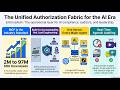 The Authorization Gap the defining enterprise security problem of the agentic AI era. EnforceAuth
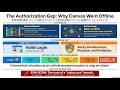 Canvas breach exposed a problem
 EnforceAuth Blueprint
 AI's Authorization Problem
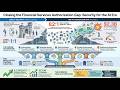 EnforceAuth Closing the Financial Services Authorization Gap
 Free version of EnforceAuth Sign up
 Free Tier at EnforceAuth Sign up today
 The 5 Criteria Every Buyer Needs to Evaluate AI Agent Authorization | EnforceAuth
 Cribl's Data Checkpoint
 The Politeness Trap Architecting the Complete AI Agent Securit
 Okta and EnforceAuth ... Okta left the door wide open
 NVIDIA's AI Ferrari (short)
 Today EnforceAuth open-sourced Zift, a code scanner for authorization,
 EnforceAuth AI Governance
 EnforceAuth Invented the “Authorization Gap”
 Securing the Authorization Gap in AI Agent Architecture
 IBM Security + EnforceAuth The Future of Identity Is Not Authentication. It’s Runtime Authorization.
