
- Популярные видео
- Авто
- Видео-блоги
- ДТП, аварии
- Для маленьких
- Еда, напитки
- Животные
- Закон и право
- Знаменитости
- Игры
- Искусство
- Комедии
- Красота, мода
- Кулинария, рецепты
- Люди
- Мото
- Музыка
- Мультфильмы
- Наука, технологии
- Новости
- Образование
- Политика
- Праздники
- Приколы
- Природа
- Происшествия
- Путешествия
- Развлечения
- Ржач
- Семья
- Сериалы
- Спорт
- Стиль жизни
- ТВ передачи
- Танцы
- Технологии
- Товары
- Ужасы
- Фильмы
- Шоу-бизнес
- Юмор
TOP 7 Questions & Answers on Control Valve Positioner
Welcome to our latest YouTube video where we give the answers of top 7 questions of control valve positioner.
Control Valve Positioner's top 7 questions and its answers.
1. What is a control valve positioner, and why is it used?
Ans:A control valve positioner is a device mounted on a control valve that ensures the valve reaches the correct position according to the control signal. It is used to overcome issues like friction, pressure variations, or other resistances that can prevent the valve from moving to the desired position accurately.
2. What are the different types of control valve positioners?
The main types are:
Pneumatic positioners: Use air pressure for valve positioning.
Electropneumatic positioners: Convert an electrical signal to a pneumatic output.
Digital (Smart) positioners: Utilize microprocessors for precise control and diagnostics.
3. How do you calibrate a control valve positioner?
Calibration involves:
Sending a known input signal to the positioner.
Checking the valve stem position or the actuator movement.
Adjusting the positioner settings (zero and span) to match the input signal with the valve's position accurately.
4. Explain the function of the bypass switch on the valve positioner.
Ans: Signal bypass permits the control signal to be applied directly to diaphragm actuator as if there was no positioner. This
arrangement is designed to allow for actuator calibration with minimum inconvenience.
5.How do positioners improve valve performance?
Positioners enhance performance by:
Reducing hysteresis and dead time.
Ensuring precise positioning under varying load conditions.
Allowing faster and smoother valve response.
Providing diagnostics for predictive maintenance.
6. List 6 Advantages of using Positioners
1. Piston Actuator
2. Signal range change
3. Signal direction change
4. Positive Positioning
5. Increased speed of response
6. Signal Characterizing
7.What are common issues faced with control valve positioners?
Some common issues include:
Incorrect calibration leading to improper valve positioning.
Blockages in pneumatic lines.
Wear and tear of mechanical components.
Signal interference in digital positioners.
Видео TOP 7 Questions & Answers on Control Valve Positioner канала Calibration Academy
Control Valve Positioner's top 7 questions and its answers.
1. What is a control valve positioner, and why is it used?
Ans:A control valve positioner is a device mounted on a control valve that ensures the valve reaches the correct position according to the control signal. It is used to overcome issues like friction, pressure variations, or other resistances that can prevent the valve from moving to the desired position accurately.
2. What are the different types of control valve positioners?
The main types are:
Pneumatic positioners: Use air pressure for valve positioning.
Electropneumatic positioners: Convert an electrical signal to a pneumatic output.
Digital (Smart) positioners: Utilize microprocessors for precise control and diagnostics.
3. How do you calibrate a control valve positioner?
Calibration involves:
Sending a known input signal to the positioner.
Checking the valve stem position or the actuator movement.
Adjusting the positioner settings (zero and span) to match the input signal with the valve's position accurately.
4. Explain the function of the bypass switch on the valve positioner.
Ans: Signal bypass permits the control signal to be applied directly to diaphragm actuator as if there was no positioner. This
arrangement is designed to allow for actuator calibration with minimum inconvenience.
5.How do positioners improve valve performance?
Positioners enhance performance by:
Reducing hysteresis and dead time.
Ensuring precise positioning under varying load conditions.
Allowing faster and smoother valve response.
Providing diagnostics for predictive maintenance.
6. List 6 Advantages of using Positioners
1. Piston Actuator
2. Signal range change
3. Signal direction change
4. Positive Positioning
5. Increased speed of response
6. Signal Characterizing
7.What are common issues faced with control valve positioners?
Some common issues include:
Incorrect calibration leading to improper valve positioning.
Blockages in pneumatic lines.
Wear and tear of mechanical components.
Signal interference in digital positioners.
Видео TOP 7 Questions & Answers on Control Valve Positioner канала Calibration Academy
#Transmitters #sensorsandTransducers #measurement processcontrol controlsystem control valve interview questions control valve valve actu valve actuator valve actuator types control valves control valves and actuators control valves explained instrumentation interview questions and answers hydraulic valves hydraulic valve types valve working animation
Комментарии отсутствуют
Информация о видео
27 декабря 2024 г. 23:49:35
00:04:20
Другие видео канала
 Configure Alarm and Relay Settings for Draeger Polytron 8000 Series Gas Detectors
 Various Types Of Process Response | Integrating and Non-Integrating Process Response
 Rosemount 8712D Magnetic Flowmeter Verification Procedure | Rosemount Calibration
 Common Interview Mistakes To Avoid | instrumentation Technician Interview Mistakes
 What is Closed Loop Control System and Open Loop Control System
 Oxygen Flowmeter Troubleshooting -Perform Leak Test for oxygen flowmeter
 Instrumentation & Control Engineering Question & Answers | Part-2 of 4
 How to set parameters for MSA Ultima X Series | Startup procedure for Ultima X series Gas Monitors
 Manual Calibration Procedure for MSA Altair 4XR Portable Multi Gas Detector
 Calculate flow rate in Krohne Magnetic Flowmeter | GS 8 B Calculation Table Explained
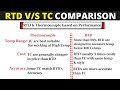 Basic differences between RTD & Thermocouple | Temperature basics
 List of different type of Control Valve Positioners : Crack Instrumentation Interviews
 How to download Calibration Report for Draeger X-am 2500 Portable Gas Detector
 Instrumentation & Control Engineering Question & Answers | Part-3 of 4
 What is Fail Safe Condition in Pressure Switch | Proof Pressure Rating & Burst Pressure Explained
 Radar Level Transmitter Mounting Guidelines | Radar Level Measurement
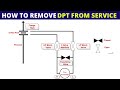 3 Valve Manifold for DP Transmitter | Removing DP Transmitter From Service Or Putting Into Service
 Radar Level Measurement Explained | Guided Wave Radar Vs Non Contact(Pulse)
 Top 7 Calibration Questions & Answers for Technical interviews
 Types Of Modbus Communication Protocols | Protocols working explained
 Draeger Polytron 8000 series calibration | Gas detector calibration
