
- Популярные видео
- Авто
- Видео-блоги
- ДТП, аварии
- Для маленьких
- Еда, напитки
- Животные
- Закон и право
- Знаменитости
- Игры
- Искусство
- Комедии
- Красота, мода
- Кулинария, рецепты
- Люди
- Мото
- Музыка
- Мультфильмы
- Наука, технологии
- Новости
- Образование
- Политика
- Праздники
- Приколы
- Природа
- Происшествия
- Путешествия
- Развлечения
- Ржач
- Семья
- Сериалы
- Спорт
- Стиль жизни
- ТВ передачи
- Танцы
- Технологии
- Товары
- Ужасы
- Фильмы
- Шоу-бизнес
- Юмор
Population vs. Sample: How to Justify Your Participant Choice (Chapter 3)
Want help getting your dissertation accepted? Join our free Dissertation Help Community 👉 https://www.beyondphdcoaching.com
Population and sample are two words doctoral students mix up all the time and your committee will notice. Get this distinction wrong, and your entire methodology feels shaky, even if the rest of your writing is excellent. Get it right early, and you'll save yourself months of rewrites and the occasional snide comment from your committee.
In this video, Dr. Steve Tippins — a professor with 35+ years of experience, earned tenure twice, published 60+ papers, and sat on 300+ dissertation committees. Today, as founder of Beyond PhD Coaching, he's helped hundreds of students graduate with their doctorates, succeed in their careers, and use their expertise to change the world for the better. See case studies: https://www.beyondphdcoaching.com
Drawing from decades of experience in academia, Dr. Tippins walks you through the key distinctions between population and sample, how sampling works differently in quantitative vs. qualitative research, and the most common ways students accidentally bias their study without realizing it.
You'll learn:
✅ How sampling works differently in quantitative research (G*Power, sample size, generalizability) vs. qualitative research (data saturation, smaller samples, depth over breadth)
✅ Sampling error and bias: why your method of reaching participants can quietly ruin your study
✅ The sampling types doctoral students actually use: random, purposive, and snowball — with clear warnings about each
✅ A quick pre-submission checklist: population, sample, access plan, bias check, and size justification
0:00 Introduction: Why Population vs. Sample Matters
0:43 Population = Whole Group, Sample = Subset
1:07 The Pie Analogy
1:26 Why Do We Use Samples?
1:56 Sampling Saves Time and Money
2:30 Samples Allow Us to Infer Results
2:56 Sampling Happens Everywhere
3:12 The Goal of Sampling Is Representation
3:47 Does Your Sample Represent the Population?
4:09 Generalizability Depends on Adequate Sampling
4:31 Watch Out for Biased Samples
4:58 Qualitative Studies Are Not Usually Generalizable
5:36 Qualitative Provides Depth, Quantitative Tests Hypotheses
5:52 Qualitative Studies Can Lead to Quantitative Research
6:07 Sample Size Must Be Sufficient (G*Power Test)
6:29 Bias and Sampling Errors
7:01 Examples of Sampling Bias
7:29 If Part of Your Population Can't Be Reached, You Have Bias
7:33 Common Sampling Techniques
7:42 Random Sampling
8:05 Purposive Sampling
8:40 Snowball Sampling
9:07 Don't Mix Sampling Methods
9:25 Explain Population and Sample in One Sentence Each
9:51 Explain How You'll Access Participants
10:01 Acknowledge and Address Bias
10:16 Justify Sample Size with G*Power (Quantitative)
10:25 "10 Participants or Data Saturation, Whichever Comes First"
11:00 Final Thoughts and Resources
If you're working on your methodology and want to make sure your population and sample are airtight before your committee sees them, this video gives you everything you need to get it right the first time.
Book a Free Discovery Call: https://www.beyondphdcoaching.com
Connect on LinkedIn: https://www.linkedin.com/in/steve-tippins
#PopulationVsSample #SamplingMethods #DissertationMethodology #DoctoralStudent #DissertationHelp #BeyondPhDCoaching #PhDLife #ResearchMethods #Chapter3
Видео Population vs. Sample: How to Justify Your Participant Choice (Chapter 3) канала Beyond PhD Coaching
Population and sample are two words doctoral students mix up all the time and your committee will notice. Get this distinction wrong, and your entire methodology feels shaky, even if the rest of your writing is excellent. Get it right early, and you'll save yourself months of rewrites and the occasional snide comment from your committee.
In this video, Dr. Steve Tippins — a professor with 35+ years of experience, earned tenure twice, published 60+ papers, and sat on 300+ dissertation committees. Today, as founder of Beyond PhD Coaching, he's helped hundreds of students graduate with their doctorates, succeed in their careers, and use their expertise to change the world for the better. See case studies: https://www.beyondphdcoaching.com
Drawing from decades of experience in academia, Dr. Tippins walks you through the key distinctions between population and sample, how sampling works differently in quantitative vs. qualitative research, and the most common ways students accidentally bias their study without realizing it.
You'll learn:
✅ How sampling works differently in quantitative research (G*Power, sample size, generalizability) vs. qualitative research (data saturation, smaller samples, depth over breadth)
✅ Sampling error and bias: why your method of reaching participants can quietly ruin your study
✅ The sampling types doctoral students actually use: random, purposive, and snowball — with clear warnings about each
✅ A quick pre-submission checklist: population, sample, access plan, bias check, and size justification
0:00 Introduction: Why Population vs. Sample Matters
0:43 Population = Whole Group, Sample = Subset
1:07 The Pie Analogy
1:26 Why Do We Use Samples?
1:56 Sampling Saves Time and Money
2:30 Samples Allow Us to Infer Results
2:56 Sampling Happens Everywhere
3:12 The Goal of Sampling Is Representation
3:47 Does Your Sample Represent the Population?
4:09 Generalizability Depends on Adequate Sampling
4:31 Watch Out for Biased Samples
4:58 Qualitative Studies Are Not Usually Generalizable
5:36 Qualitative Provides Depth, Quantitative Tests Hypotheses
5:52 Qualitative Studies Can Lead to Quantitative Research
6:07 Sample Size Must Be Sufficient (G*Power Test)
6:29 Bias and Sampling Errors
7:01 Examples of Sampling Bias
7:29 If Part of Your Population Can't Be Reached, You Have Bias
7:33 Common Sampling Techniques
7:42 Random Sampling
8:05 Purposive Sampling
8:40 Snowball Sampling
9:07 Don't Mix Sampling Methods
9:25 Explain Population and Sample in One Sentence Each
9:51 Explain How You'll Access Participants
10:01 Acknowledge and Address Bias
10:16 Justify Sample Size with G*Power (Quantitative)
10:25 "10 Participants or Data Saturation, Whichever Comes First"
11:00 Final Thoughts and Resources
If you're working on your methodology and want to make sure your population and sample are airtight before your committee sees them, this video gives you everything you need to get it right the first time.
Book a Free Discovery Call: https://www.beyondphdcoaching.com
Connect on LinkedIn: https://www.linkedin.com/in/steve-tippins
#PopulationVsSample #SamplingMethods #DissertationMethodology #DoctoralStudent #DissertationHelp #BeyondPhDCoaching #PhDLife #ResearchMethods #Chapter3
Видео Population vs. Sample: How to Justify Your Participant Choice (Chapter 3) канала Beyond PhD Coaching
Комментарии отсутствуют
Информация о видео
11 апреля 2026 г. 2:00:06
00:11:42
Другие видео канала
 Should I Meet Other Committee Members Individually or Always Go Through the Chair?
 POV: Your Research Gap is Your Understanding Gap
 Watch this Before Your Next Supervisor Meeting
 The 'High-Achiever' Trap: Why Your Hard Work is Killing Your PhD
 When your Committee Says "Congratulations, Doctor"
 Is Choosing a Supervisor More Important Than a Life Partner?
 Avoid This Mistake in Your Research Design
 The proposal is the hardest part of your dissertation.
 The Fastest Way to Choose Your Research Design
 Research Questions are the Backbone of your Methodology
 Avoid Leading Research Questions
 Plan Ahead!
 Stop trying to write the perfect dissertation.
 Ask Your Chair These Questions
 How Should I Prepare My Presentation?
 Biggest Mistake in Data Reporting
 How to Pivot a Dissertation into a Publication
 What You Didn't Know About PhDs and Marathons
 You've been writing all day and only have one page
 Why Most Doctoral Students Cry (And Why That's Okay)
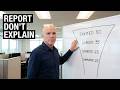 Dissertation Chapter 4: How to Map Codes to Themes
